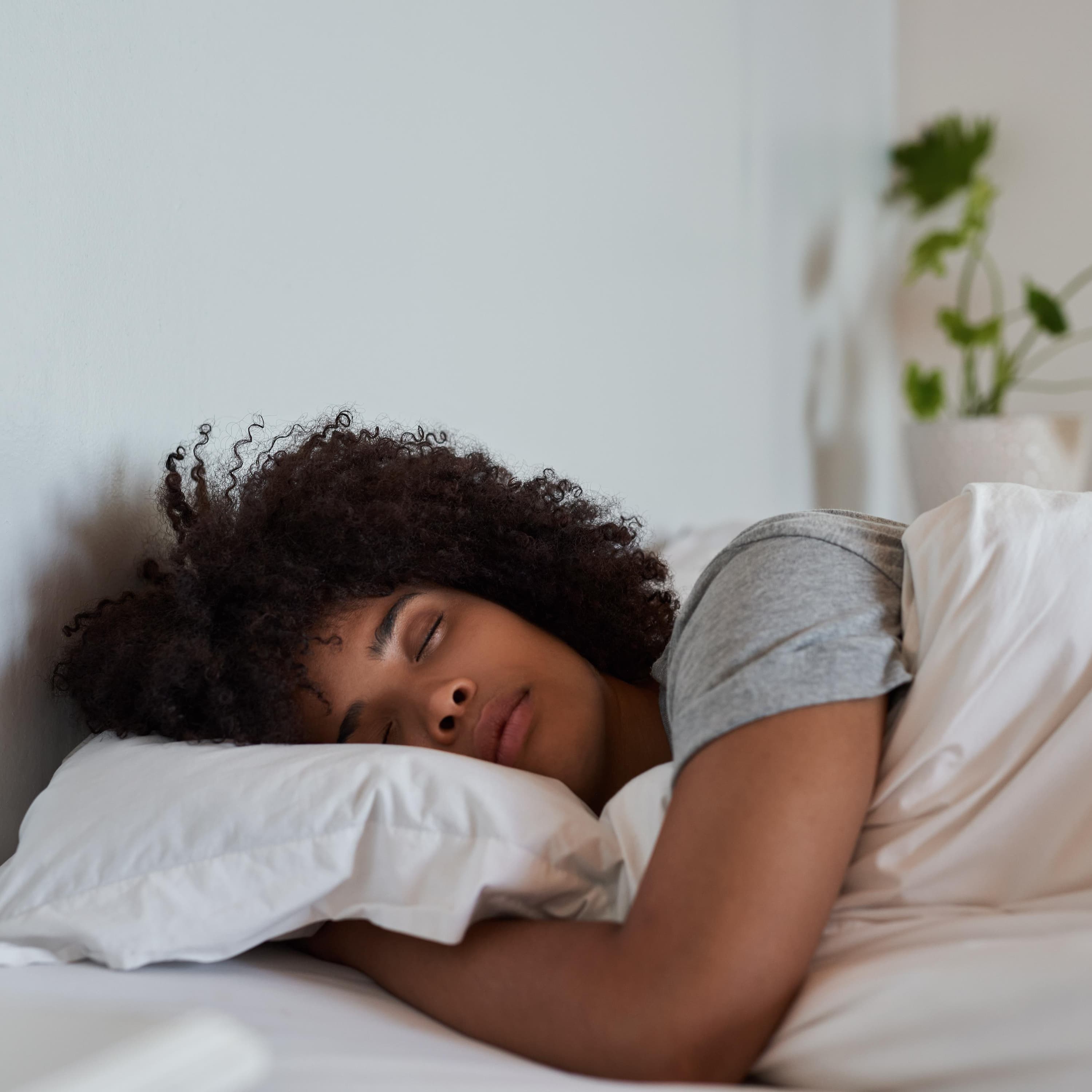

Revisited: The surprising science of dreams and nightmares
28 July - 22 minsIn this episode from January 2026, Ian Sample puts listeners’ questions about dreams and nightmares to Dr Michelle Carr, the director of the Dream Engineering Laboratory in Montreal’s Centre for Advanced Research in Sleep Medicine, and the author of the book Into the Dream Lab. They look at why we dream, what we can learn by examining our dreams, and what we can do when dreams turn into nightmares. Carr gives her top tips for taking charge of our dreams and trying to influence their content. Help support our independent journalism at theguardian.com/sciencepod
Series Episodes

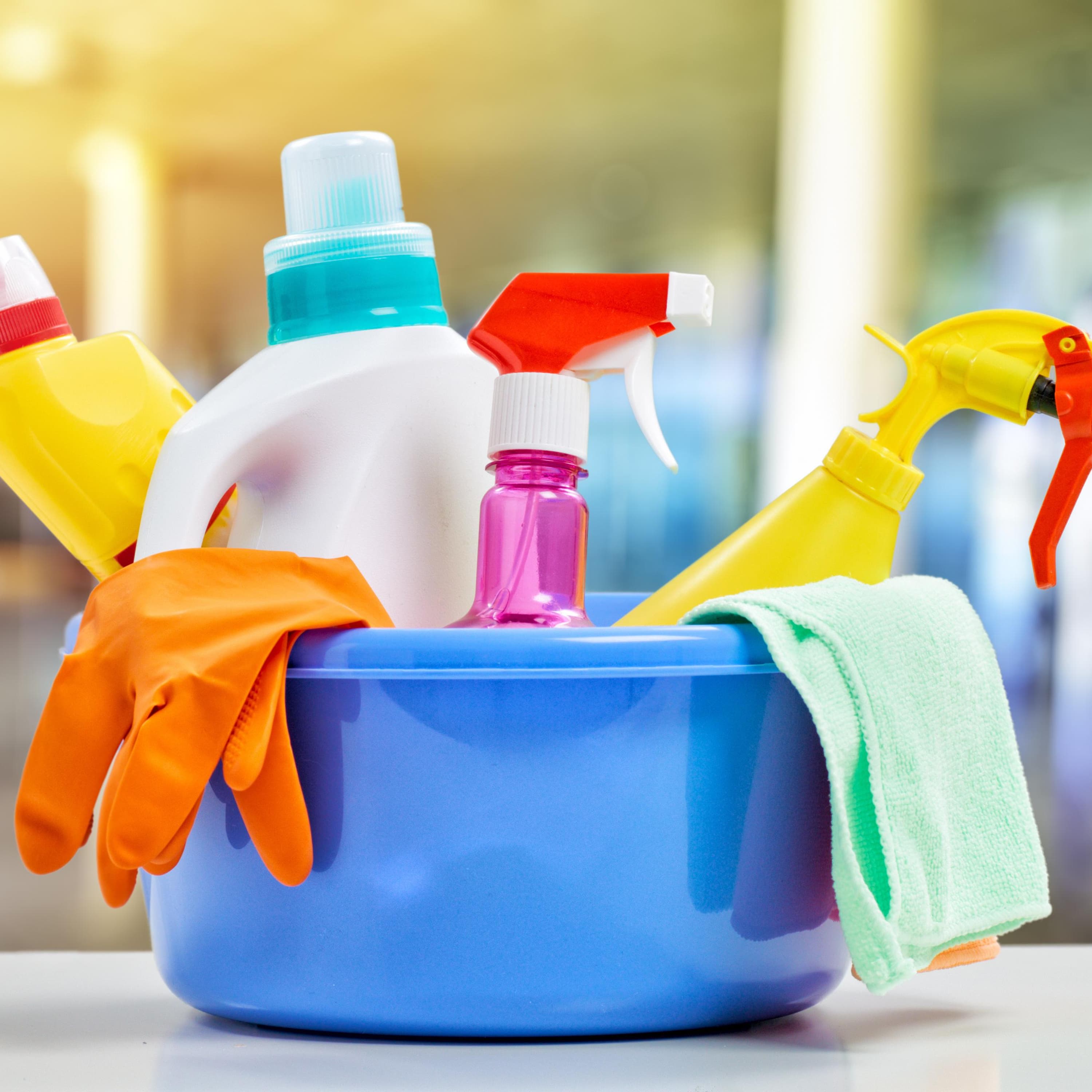
Are household cleaning products damaging our health?
Our use of cleaning products has increased since the pandemic, but do we understand what they could be doing to our health? The journalist Rebecca Seal recently wrote for the Guardian about the potential impacts of the many chemicals we now use in our homes. She tells Madeleine Finlay how social media has also played a role in transforming our cleaning habits, why the impact of indoor air pollution is so hard to study, and what the current evidence is that cleaning products may be causing harm. Help support our independent journalism at theguardian.com/sciencepod
17 mins
29 September Finished
Are baby girls more sociable? Super El Niño, meningitis outbreak explained
Madeleine Finlay sits down with her co-host and Guardian science editor, Ian Sample, to discuss three science stories from the week, including a study that offers a clue in the age-old debate about whether sex differences are present from birth or a product of socialisation. Also on the agenda is the super El Niño, which is predicted to lead to 450,000 deaths in the next six months, and an answer to why the UK’s meningitis outbreak earlier this year was so big.. Help support our independent journalism at theguardian.com/sciencepod
22 mins
24 September Finished
From paleo to intermittent fasting: are any diets actually good for us?
explicitAs diet trends proliferate on social media, it can be hard to work out which are backed by science and which should be ignored. From paleo to keto, raw food to intermittent fasting, each attracts a tribe of ardent followers. Now Daniel Lieberman, professor of biological sciences at Harvard University, has written a book to try to cut through the noise. In Fed Up, he uses his background as an evolutionary anthropologist to scrutinise the evidence, turning himself into a guinea pig in the process and trying various diets. In this podcast, he tells Ian Sample which one has remained part of his routine. Help support our independent journalism at theguardian.com/sciencepod
17 mins
22 September Finished
The week that changed maths for ever
In early September, OpenAI announced it had solved a major mathematics problem that has stumped humans for nearly a century. The news left mathematicians reeling, and many expressed concern over what will be left for humans as AI becomes ever more adept at unravelling complex problems. Now 25 recipients of the Fields medal – often called the Nobel prize for maths – have signed an open letter expressing their fears of a ‘severe misalignment’ between AI companies and their field. To find out how AI is likely to upend maths – and how mathematicians might respond – Ian Sample speaks to Colva Roney-Dougal, professor of pure mathematics at the University of St Andrews. Help support our independent journalism at theguardian.com/sciencepod
15 mins
17 September Finished
Is collagen all hype?
Collagen powders, gummies and pills have boomed in popularity in recent years boosted by claims that they smooth wrinkles, promote glossy hair and help with joint pain. Amid the noise it can be hard to figure out whether there’s any actual science behind the promise of looking younger for longer. Luckily Dr Xand van Tulleken has spent the past three years writing Make me well: a quest to understand the confusing world of wellness, and his chapter on collagen dives deep into the evidence. He tells Madeleine Finlay what collagen does in the body, how we can get it without splashing out on expensive supplements, and why getting to the truth behind wellness claims can be so hard. Help support our independent journalism at theguardian.com/sciencepod
18 mins
15 September Finished
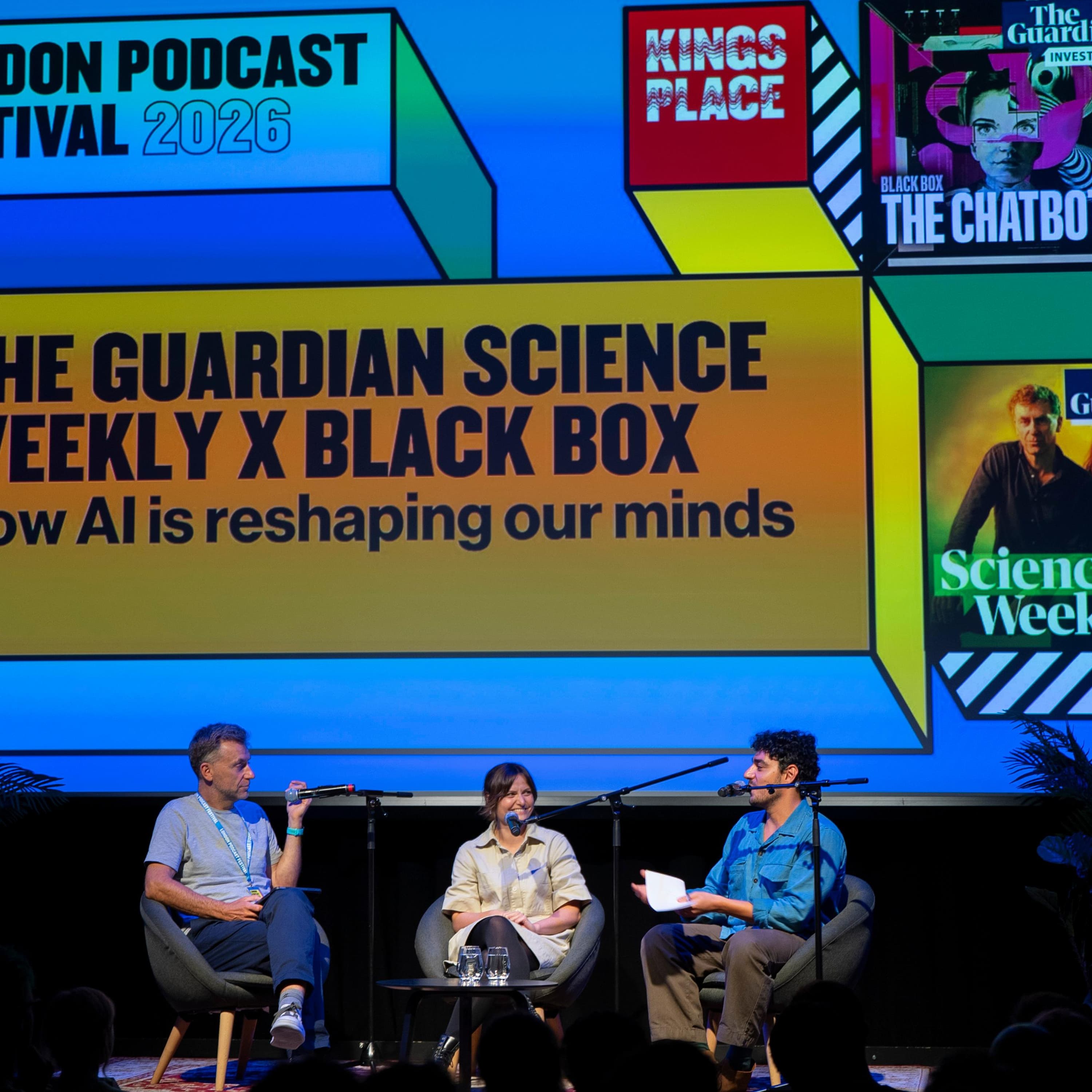
Live episode: how AI is reshaping our minds
In this episode of Science Weekly, recorded in front of an audience at the London podcast festival on 3 September, Ian Sample hears from Michael Safi, the host of the Guardian’s chart-topping podcast about artificial intelligence, Black Box. In series two, Black Box: the chatbots, Michael meets people who have become convinced they have made scientific breakthroughs, cured diseases or invented new technologies using AI chatbots. Ian, Michael and Science Weekly’s co-host Madeleine Finlay explore the phenomenon labelled ‘AI psychosis’ and ask what it reveals about a technology now used by more than a billion people. Help support our independent journalism at theguardian.com/sciencepod
1 hour 22 mins
13 September Finished