Science Weekly
Twice a week, the Guardian brings you the latest science and environment news
Series Episodes



Is your boss watching you? The rise of AI surveillance at work
Workers have always been monitored by their bosses, first through output targets, and then via computer software labelled ‘bossware’. But AI is transforming the capabilities of these systems, processing huge volumes of data to provide minute-by-minute accounts of activity, and productivity. To find out more, Ian Sample hears from UK technology editor Robert Booth. He explains which sectors are adopting this approach, why they are doing it, and how it could end up being counterproductive.. Help support our independent journalism at theguardian.com/sciencepod
17 mins
15 October Finished

The surprising psychology of morbid curiosity
US defence secretary Pete Hegseth’s plan to livestream the execution of Nidal Malik Hasan has incurred condemnation from human rights groups and politicians on all sides. But according to Coltan Scrivner, an author and psychologist at Arizona State University and expert on morbid curiosity, people are still likely to watch in large numbers. He explains why we are drawn to dark and disturbing content, and Madeleine Finlay tells Ian Sample how consuming this kind of material can harm observers’ mental health. Help support our independent journalism at theguardian.com/sciencepod
17 mins
13 October Finished
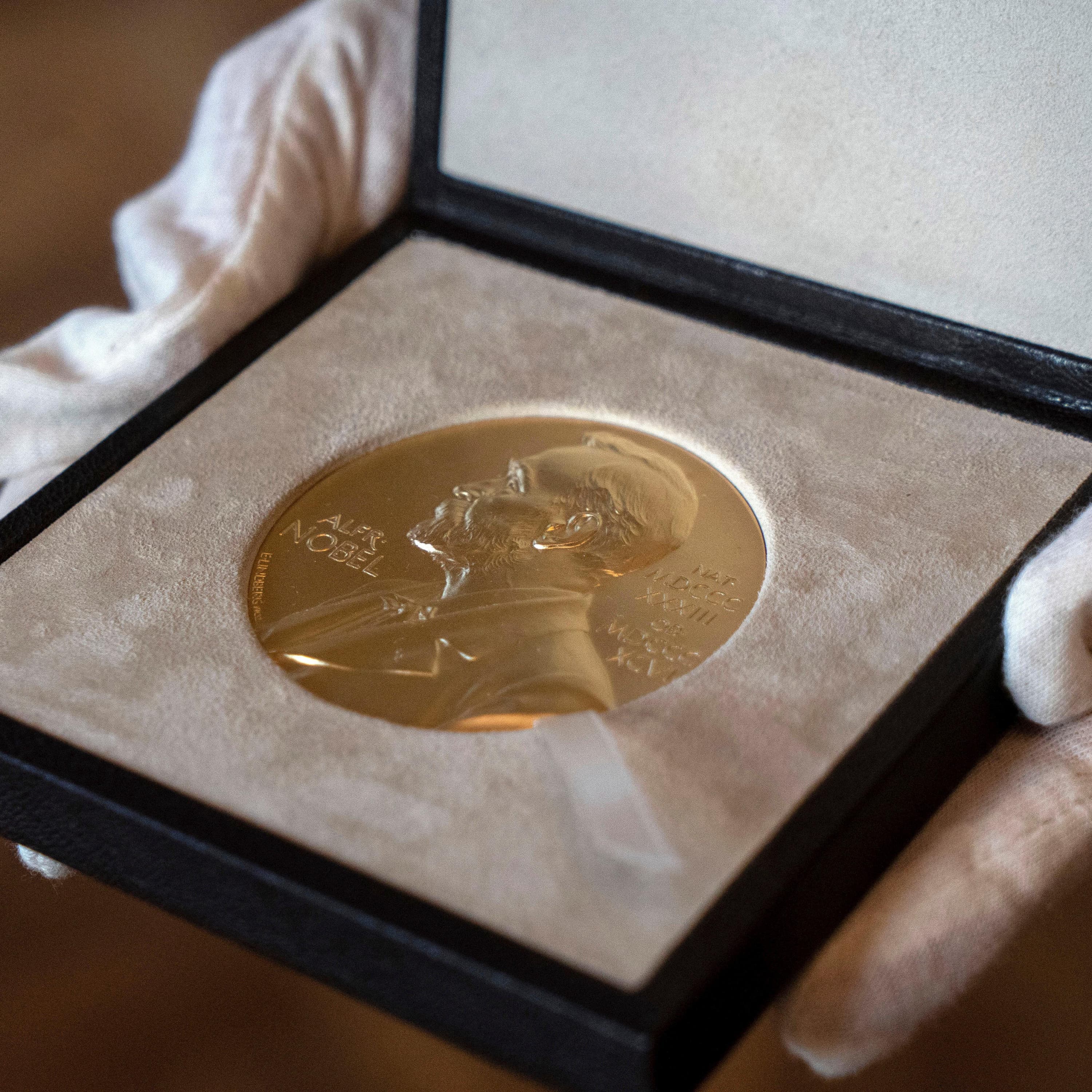
All the news and science from the 2026 Nobel prizes
This year’s Nobel prizes in chemistry, physics and physiology or medicine have celebrated work that has been used to develop countless drugs and transform modern medicine, allowed physicists to observe one of the most mysterious particles, and provided a tool that could act as an on/off switch for brain cells. To find out more, Madeleine Finlay talks to our science editor, Ian Sample, and correspondents Nicola Davis and Linda Geddes. Help support our independent journalism at theguardian.com/sciencepod
23 mins
7 October Finished

Today in Focus: Should we be worried about a plague outbreak?
Several hospitals in eastern Russia are under quarantine after a lab worker fell ill at a plague research centre following a reported accident and died. Russia’s health watchdog has said Darya Shipilova, 28, died of ‘pneumonia of unknown aetiology’, but there is speculation about a possible plague infection. Science Weekly co-host Madeleine Finlay tells Lucy Hough, the host of Today in Focus: The Latest, how concerned we should be. Help support our independent journalism at theguardian.com/sciencepod
13 mins
6 October Finished

Narcolepsy: why you’ve been thinking about it all wrong
The sleep disorder has been the butt of jokes and a comedic plot point, but the reality of living with narcolepsy is anything but funny. Things could be about to change for people with the condition though, after the US Food and Drug Administration (FDA) approved the first ever drug to treat narcolepsy itself, rather than just its symptoms. Madeleine Finlay tells Ian Sample how the scientific breakthrough came about, and Julie Flygare, who has narcolepsy and founded the non-profit Project Sleep, explains what it is like to live with the condition and how the drug could be gamechanger. Help support our independent journalism at theguardian.com/sciencepod
16 mins
6 October Finished