The Sunday Read: ‘A Republican Election Clerk vs. Trump Die-Hards in a World of Lies’
14 July 2024 - 29 minsCindy Elgan glanced into the lobby of her office and saw a sheriff’s deputy waiting at the front counter. “Let’s start a video recording, just in case this goes sideways,” Elgan, 65, told one of her employees in the Esmeralda County clerk’s office. She had come to expect skepticism, conspiracy theories and even threats related to her job as an election administrator. She grabbed her annotated booklet of Nevada state laws, said a prayer for patience and walked into the lobby to confront the latest challenge to America’s electoral process.
The deputy was standing alongside a woman that Elgan recognized as Mary Jane Zakas, 77, a longtime elementary schoolteacher and a leader in the local Repub...
Series Episodes


They Protested ICE. Now They’ve Been Convicted of Terrorism.
The strange story behind the first federal terrorism prosecution of American protesters.
47 mins
27 October Finished
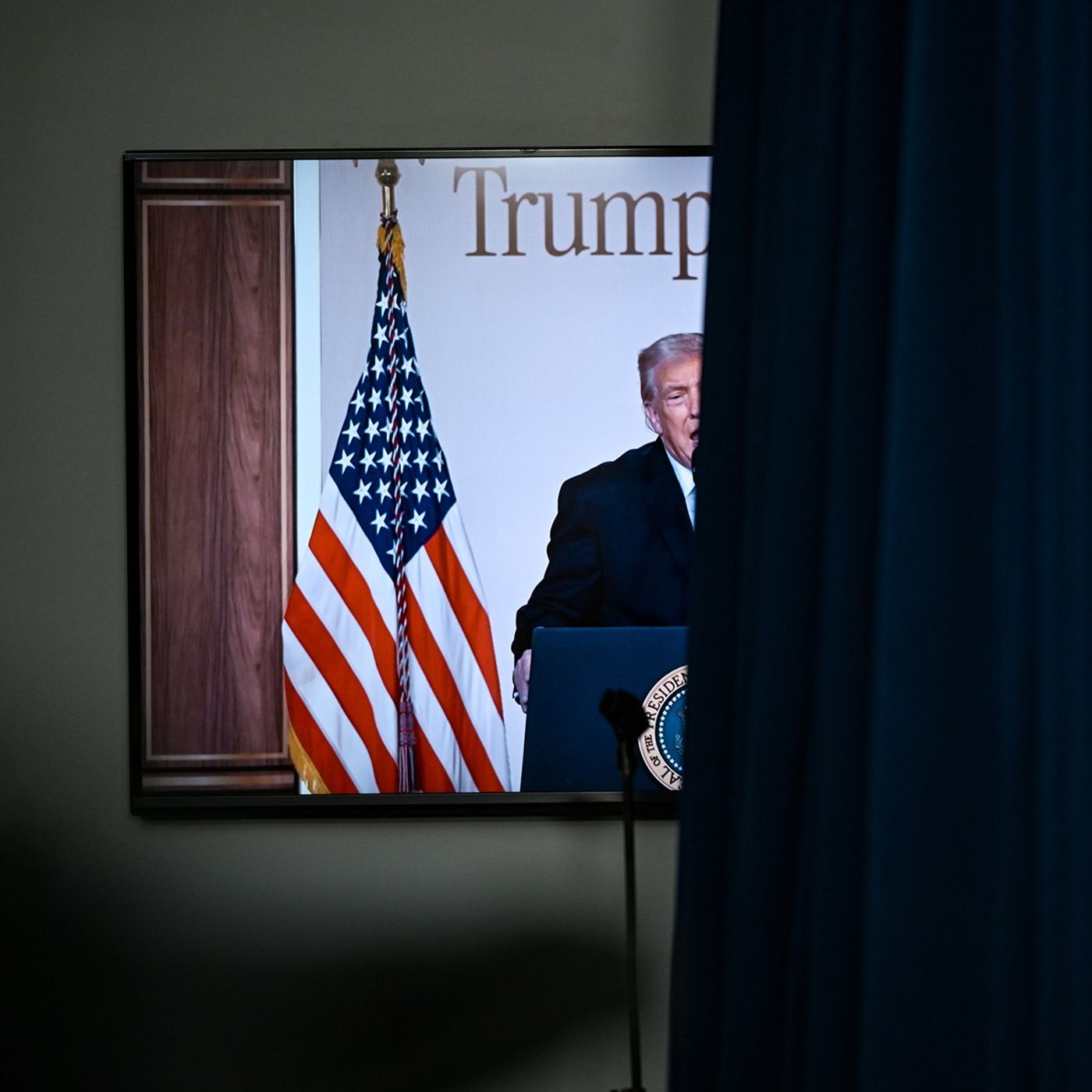
The $10 Billion Midterm Ad War
The noise of the midterm elections has exploded into public consciousness after a TV commercial highlighted the two very different stories that Democratic and Republican candidates are telling.
33 mins
26 October Finished

Tricks, Treats and Trends
Americans are expected to spend a record $13.5 billion on Halloween this year, according to the National Retail Federation. That includes costumes, decorations and lots of candy. In this episode of “The Sunday Daily,” our host Rachel Abrams talks about these three tent poles of the Halloween season with reporters from across the Times newsroom. Kim Severson, who covers food, tells us about the sour, peelable and texture-confused candy edging out longtime chocolate favorites. Louis Lucero II, an editor for style coverage, predicts the most popular costumes of the year. And Callie Holtermann, a reporter who covers style and pop culture, discusses the enduring joy of “Skelly,” the 12-foot-tall Home Depot skeleton with a cult following.
29 mins
25 October Finished

What This Democrat’s Surge in Texas Says About the Midterms
Gina Hinojosa, the Democratic nominee for governor, on her appeal to MAGA voters and her refusal to engage in the “culture wars.”
41 mins
24 October Finished

The Battle Over Black Representation in the South
The approach to this year’s midterms has brought two hugely consequential changes to voting for Black Americans: the gutting of the Voting Rights Act, and redistricting. In the wake of those actions, efforts are underway to mobilize Black voters in the South. In Mississippi, the Senate battle is being seen as a sleeper race, and the Black Democrat running has a chance of flipping the seat, but state lawmakers are trying to redraw the maps and do away with their one majority Black district. Today, Emily Cochrane, a reporter covering the American South for The New York Times, addresses the implications for voters across the region — not just in the midterms, but for years to come.
29 mins
23 October Finished

The Election That Will Define Israel’s Future
Israelis on both sides of the political spectrum see next week’s vote as the most consequential in their country’s history.
33 mins
22 October Finished