
The Life and, for Now, the Death of the Kennedy Center
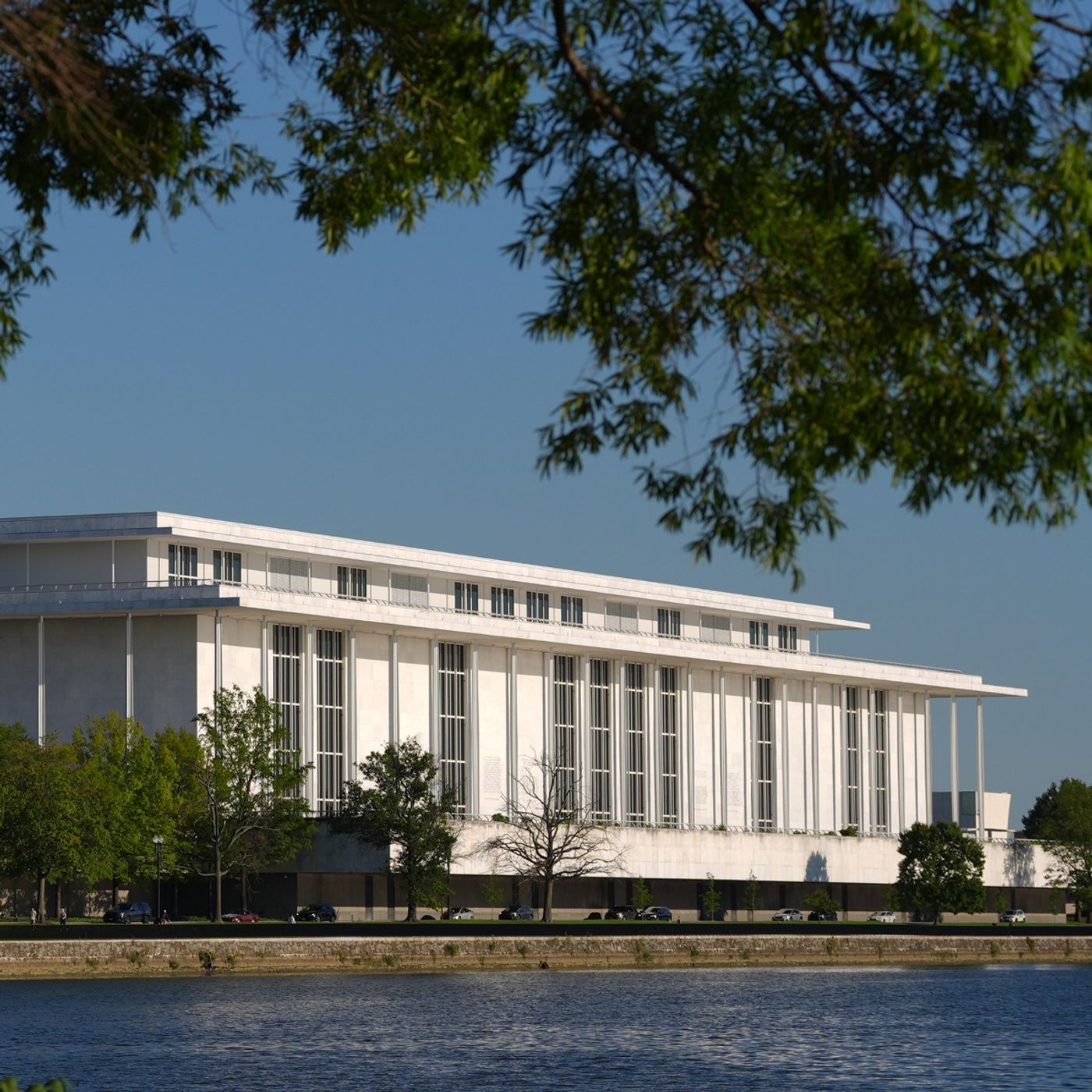
25 September - 30 minsFor 50 years, the Kennedy Center was a sprawling public home for opera, theater, jazz and free programs. Last week, it closed its doors for the time being.
Elizabeth Williamson traces how President Trump decided to take over and now shut down Washington’s biggest and most celebrated home for the arts.
Guest: Elizabeth Williamson, a feature writer for The New York Times.
Background reading:
Internal emails and documents demonstrate how President Trump broke the Kennedy Center.The center removed a sculpture called “Blue” that had been a gift from the artist.Photo: Salwan Georges for The New York Times
For more information on today’s episode, visit nytimes.com/thedaily. Transcripts of eac...
Series Episodes


What Safeguarding Nukes Can Teach Us About Safeguarding A.I.
With artificial intelligence on the agenda for talks between President Trump and Xi Jinping of China, our reporter looks at lessons from the nuclear arms race.
36 mins
24 September Finished

Health Trackers Are Everywhere. Do Babies Need Them, Too?
Parents are increasingly willing to embrace tracking and analytics for their children — part of a broader cultural obsession with health data and optimization.
34 mins
23 September Finished
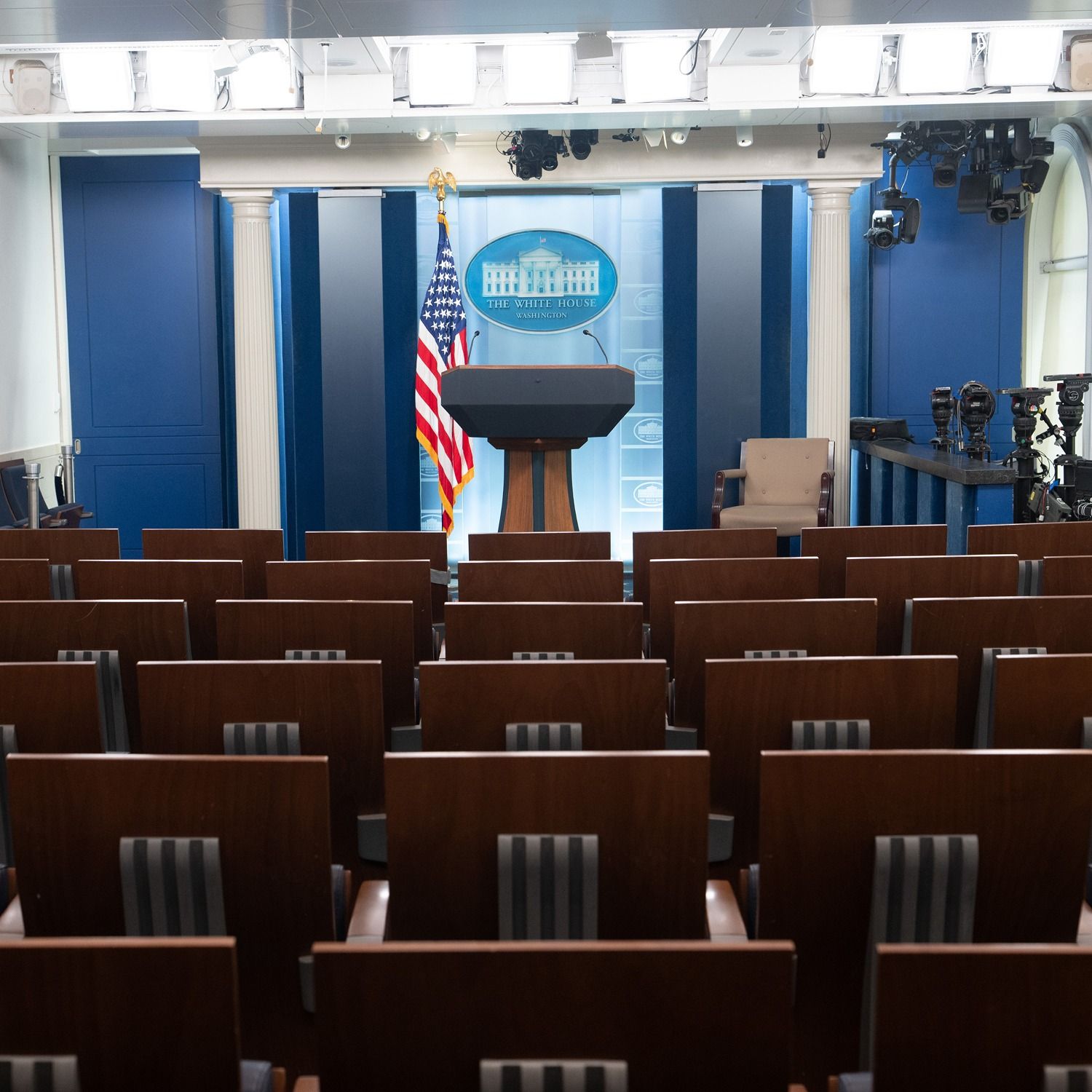
Trump Banned the Media. This Time, the Media Struck Back.
The major television networks suspended their pooled coverage of President Trump, breaking a practice that dates back decades.
27 mins
22 September Finished
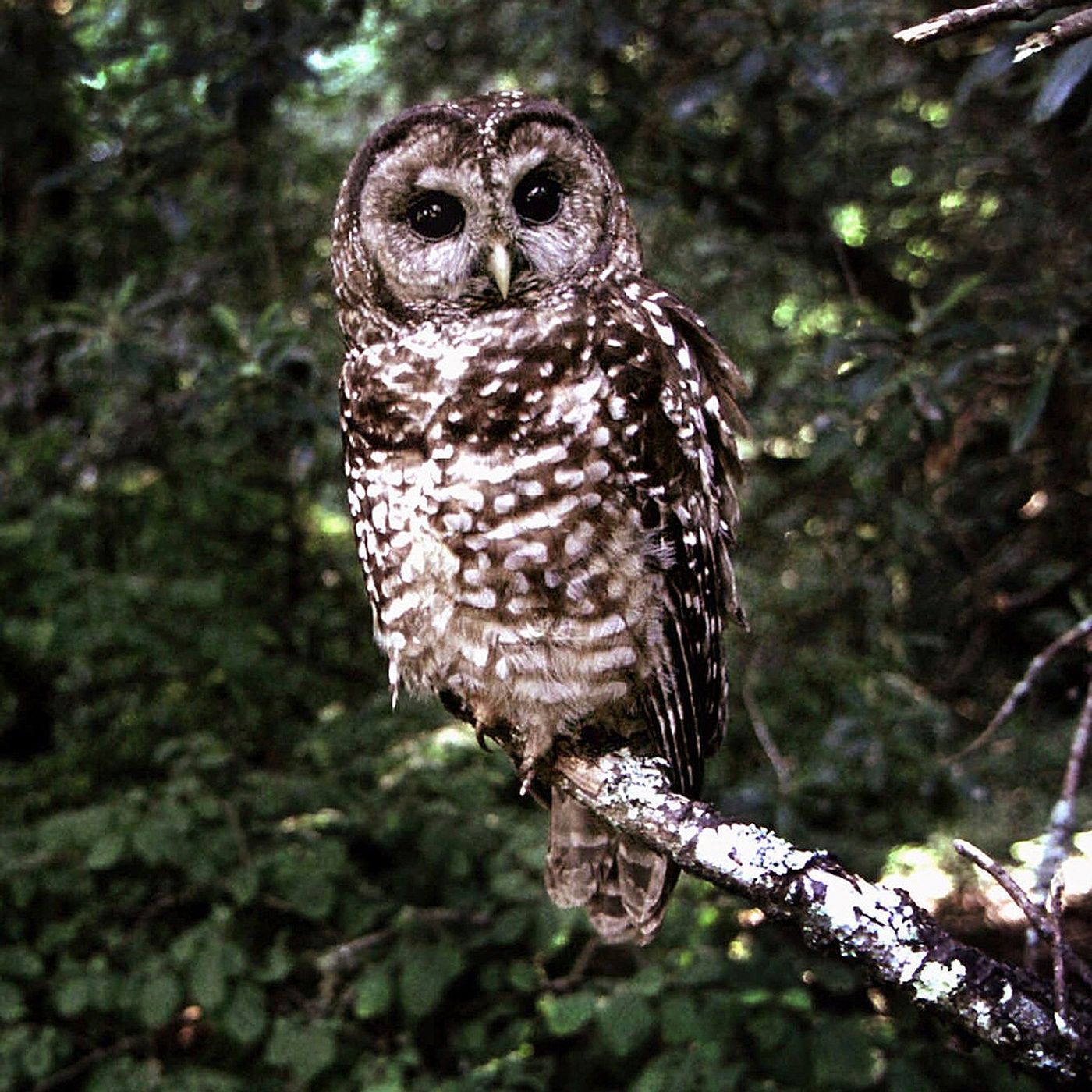
The Trump Administration Defangs the Endangered Species Act
A new interpretation of the law would mean that only the intentional killing of animals, not collateral harm, would be illegal.
24 mins
21 September Finished
How a 1,000-Year-Old Tapestry Took London by Storm
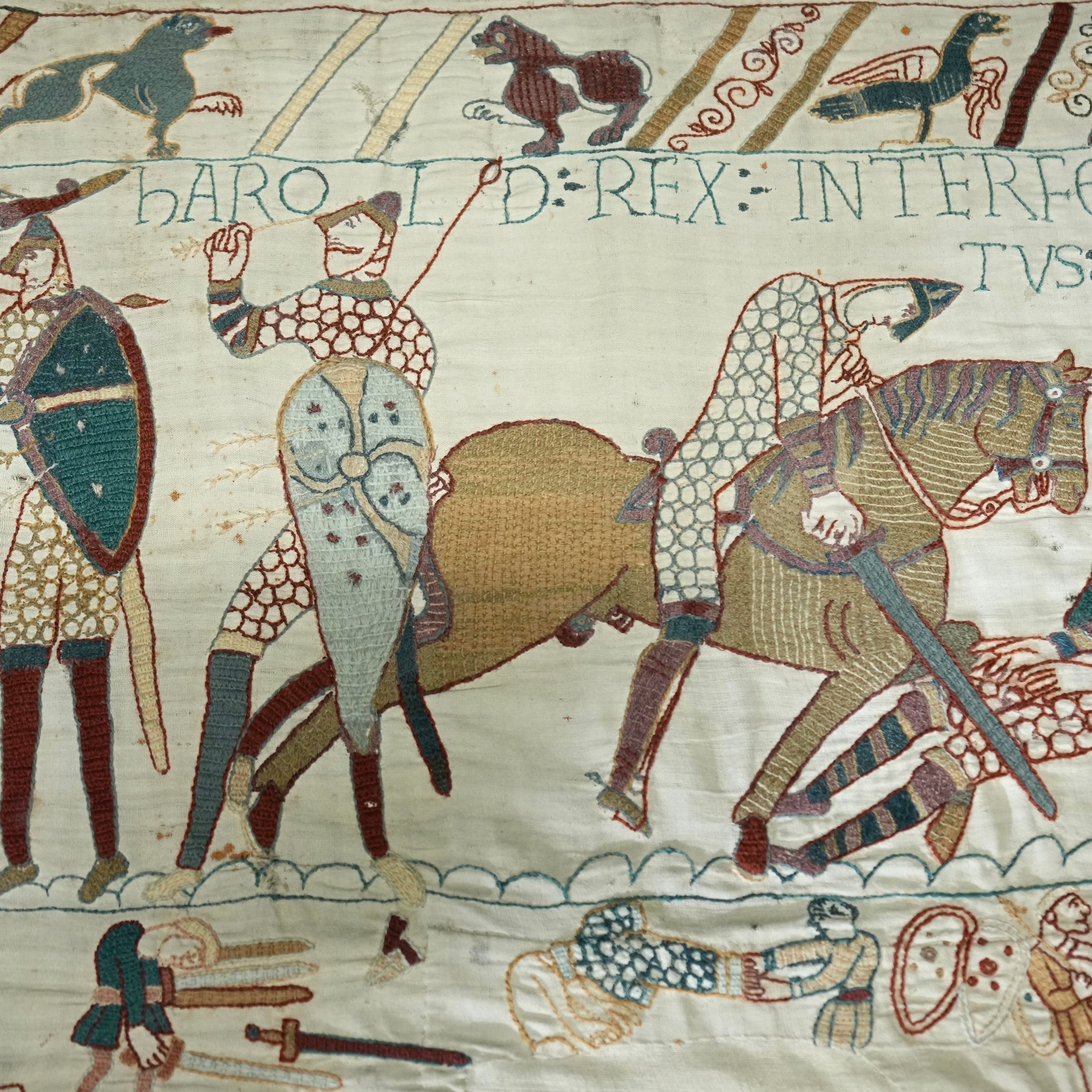
For the first time in centuries, the Bayeux Tapestry — a nearly 1,000-year-old piece of embroidery that depicts the invasion of England by William the Conqueror in 1066 — is on display in Britain. It was long said by art experts to be too fragile to move. But in a development that required geopolitical persuasion, this summer the tapestry made its way from Bayeux, France, to the British Museum in London. When the first block of tickets went on sale, the British Museum said, over 80,000 people at a time waited online to buy them. In this episode of the “Sunday Daily,” Alex Marshall, a culture reporter for The New York Times, talks with host Michael Barbaro about why this ancient piece of embroidery matters so much to the British public.
34 mins
20 September Finished