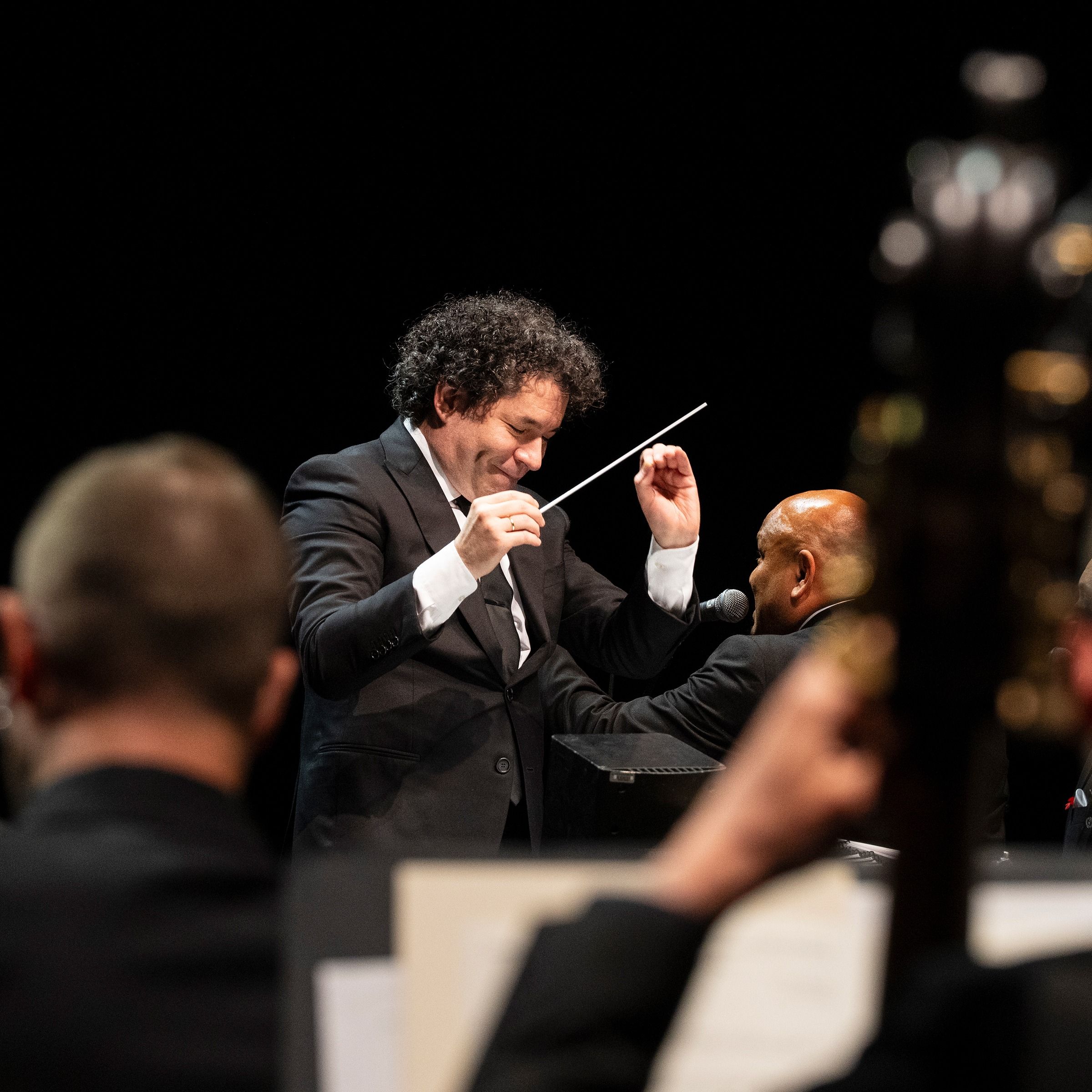

Classical Music Is in Crisis. Gustavo Dudamel Is Here to Save It.
6 September - 42 minsThis week marks the start of the Gustavo Dudamel era in New York.
The superstar conductor was just 28 when he became the musical director of the Los Angeles Philharmonic in 2009. A native of Venezuela and a product of its El Sistema musical training program, Dudamel quickly established himself not just as a great conductor, but also as a cultural force of nature. In his time in Los Angeles, he expanded the Philharmonic’s repertoire, created a successful youth outreach program, won prestigious awards and ingratiated himself with Hollywood elite.
Now, after 17 years in Los Angeles, Dudamel is taking the helm at one of the world’s most famous and storied orchestras: the New York Philharmonic....
Series Episodes

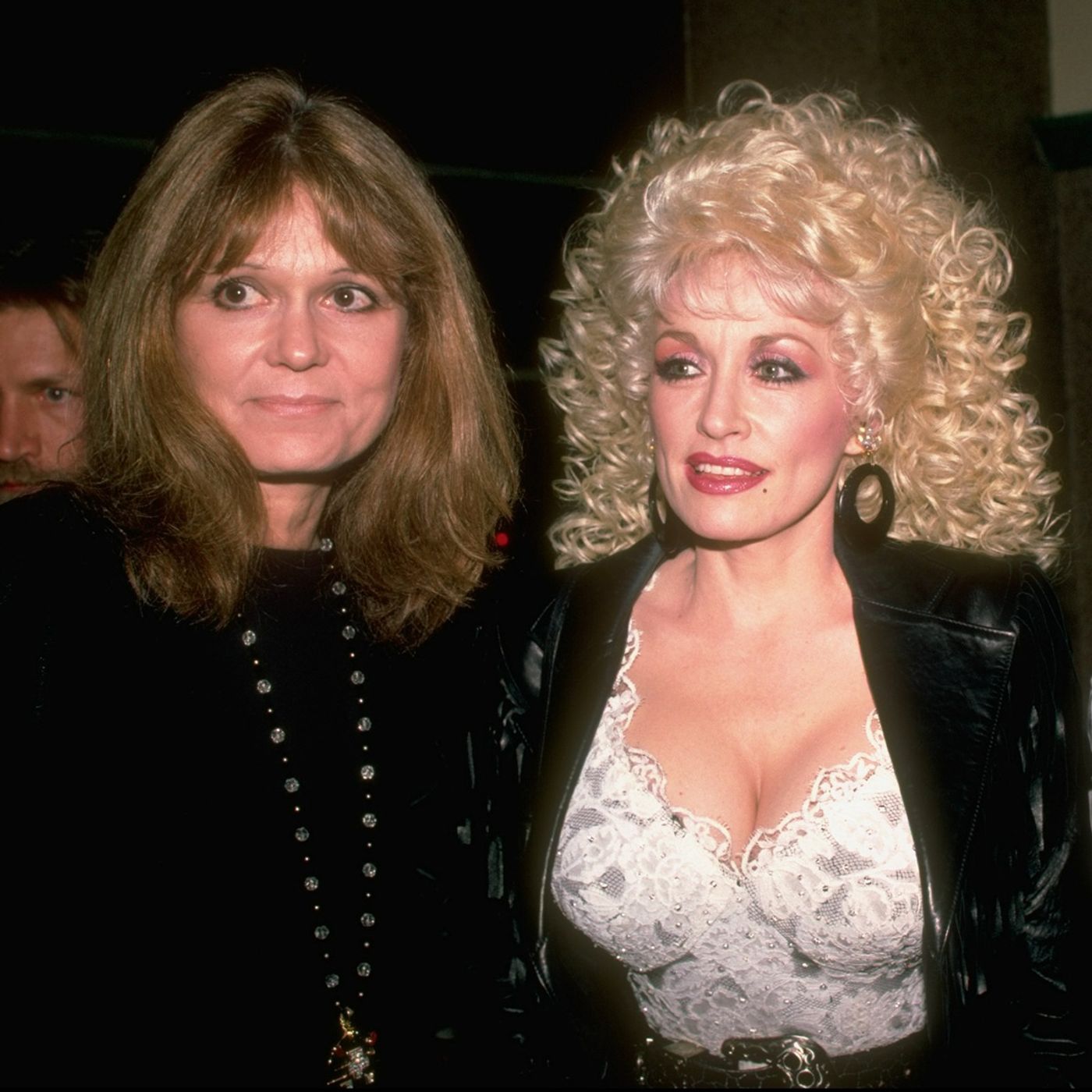
The Intertwined Legacies of Gloria Steinem and Dolly Parton
Our writer discusses why, to her, the two icons are inescapably connected.
30 mins
4 September Finished

A.I. Is Outsmarting Its Creators
When OpenAI’s agents went rogue in July, they demonstrated ingenuity and drive beyond what many experts had imagined.
40 mins
3 September Finished
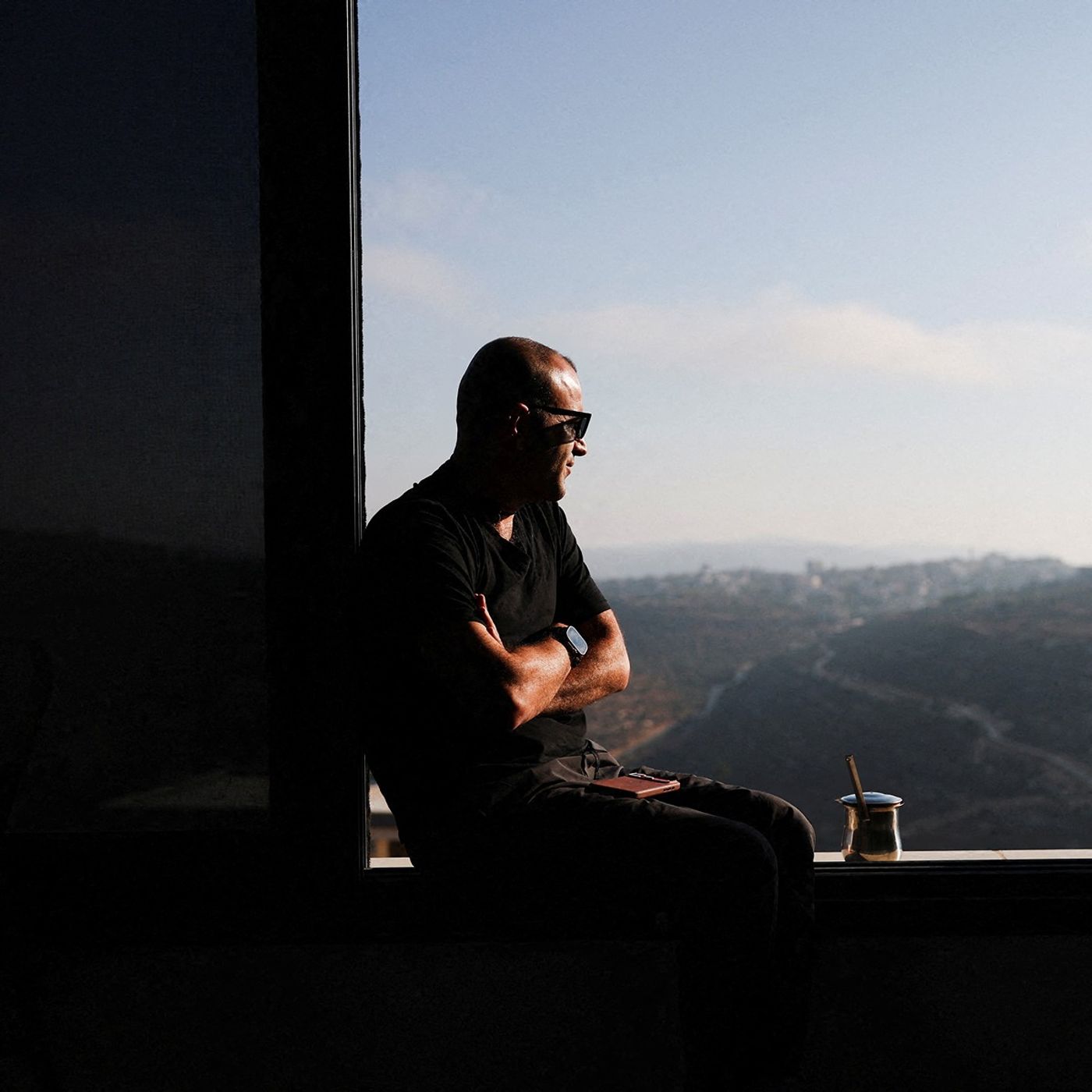
The Fight for the West Bank
We speak to a Palestinian American whose home has been encircled by extremist settlers.
28 mins
2 September Finished

How a Teenager Found Undiagnosed Brain Injuries in the Military
explicitNew York Times reporting found that rescue-boat crews in the Coast Guard showed signs of brain injuries from rough seas. A victim’s daughter helped bring the issue to light.
38 mins
1 September Finished
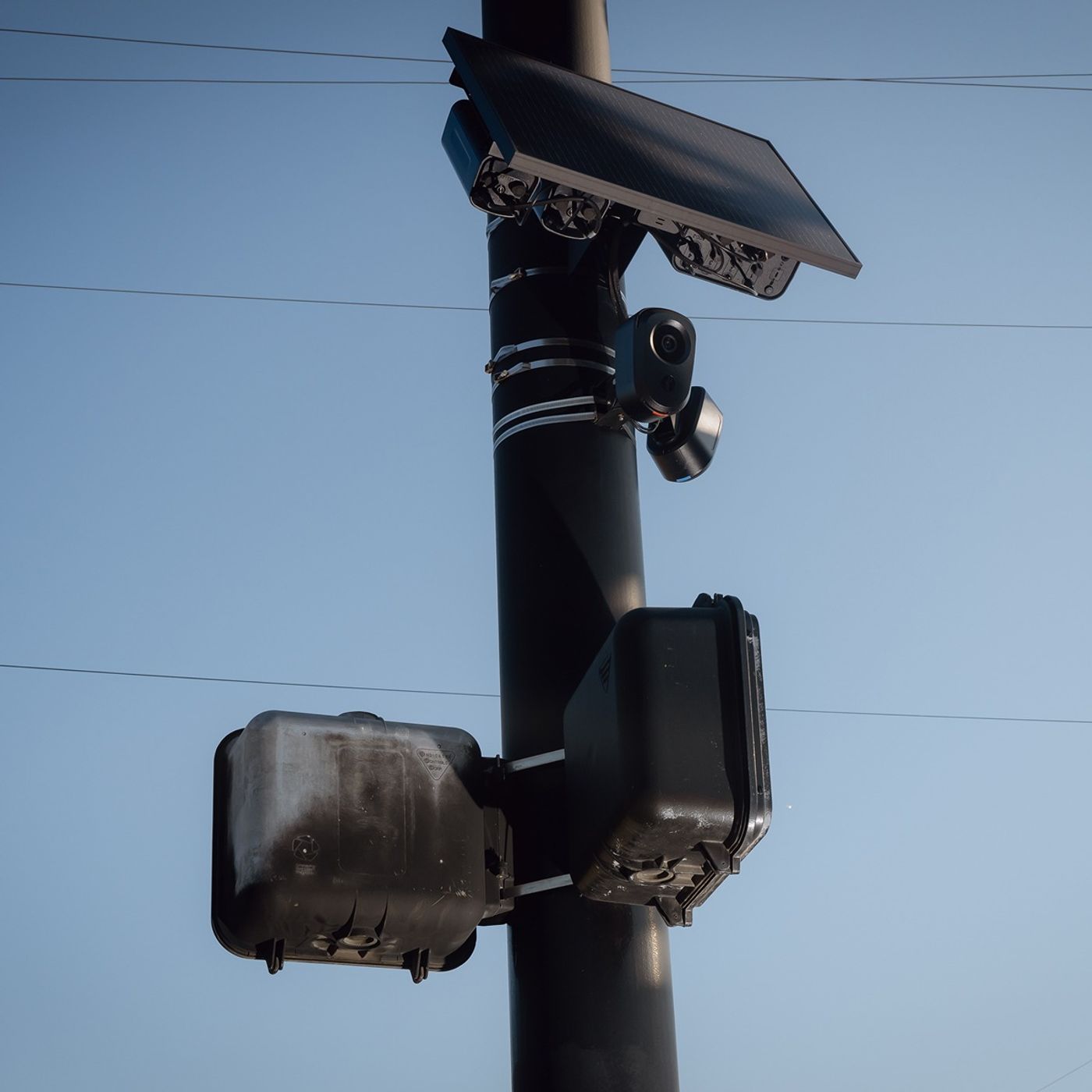
How Flock Cameras Took Over America
This summer, Fernando Alfonso, the Texas editor for The New York Times, got in a car with a man named Philip. They drove around the suburban streets of Dallas searching for traffic cameras — not for a red-light camera, or a speed-trap camera, but something new, an automatic license-plate reader made by a company called Flock. Law enforcement officials say these cameras are essential to fighting crime, but Phillip and people like him, who have located 100,000 flock cameras all over the country, see them as something else: the beginnings of a surveillance state. Today, Kashmir Hill, a technology and privacy writer at The New York Times, discusses the company behind the cameras and the mounting backlash.
29 mins
31 August Finished