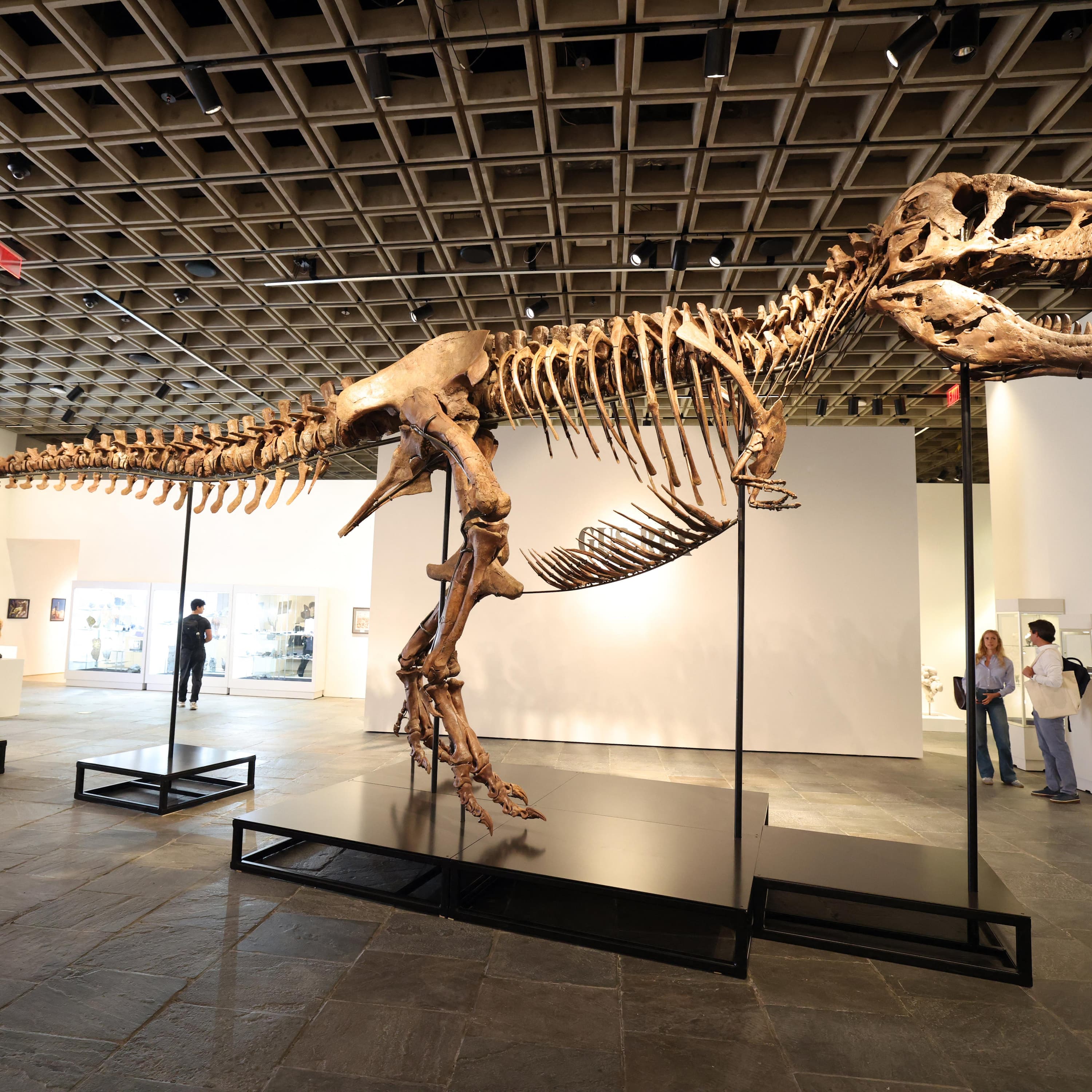
The ultra rich are collecting fossils, and that’s bad for science
18 August - 14 minsOne of the UK’s best fossil collections has been sold overseas in what experts have called a loss to the nation. The collection, which is now on display at the Natural History Museum in Abu Dhabi, was gathered on Dorset’s Jurassic Coast. As dinosaur fossils sell to private collectors for increasingly large sums, scientists are worried that domestic museums are being priced out of the market, and in turn scientists are missing out on the opportunity to make new observations. To find out how fossils became big business and what it could mean for research, Madeleine Finlay hears from science correspondent Nicola Davis. Help support our independent journalism at theguardian.com/sciencepod
Series Episodes

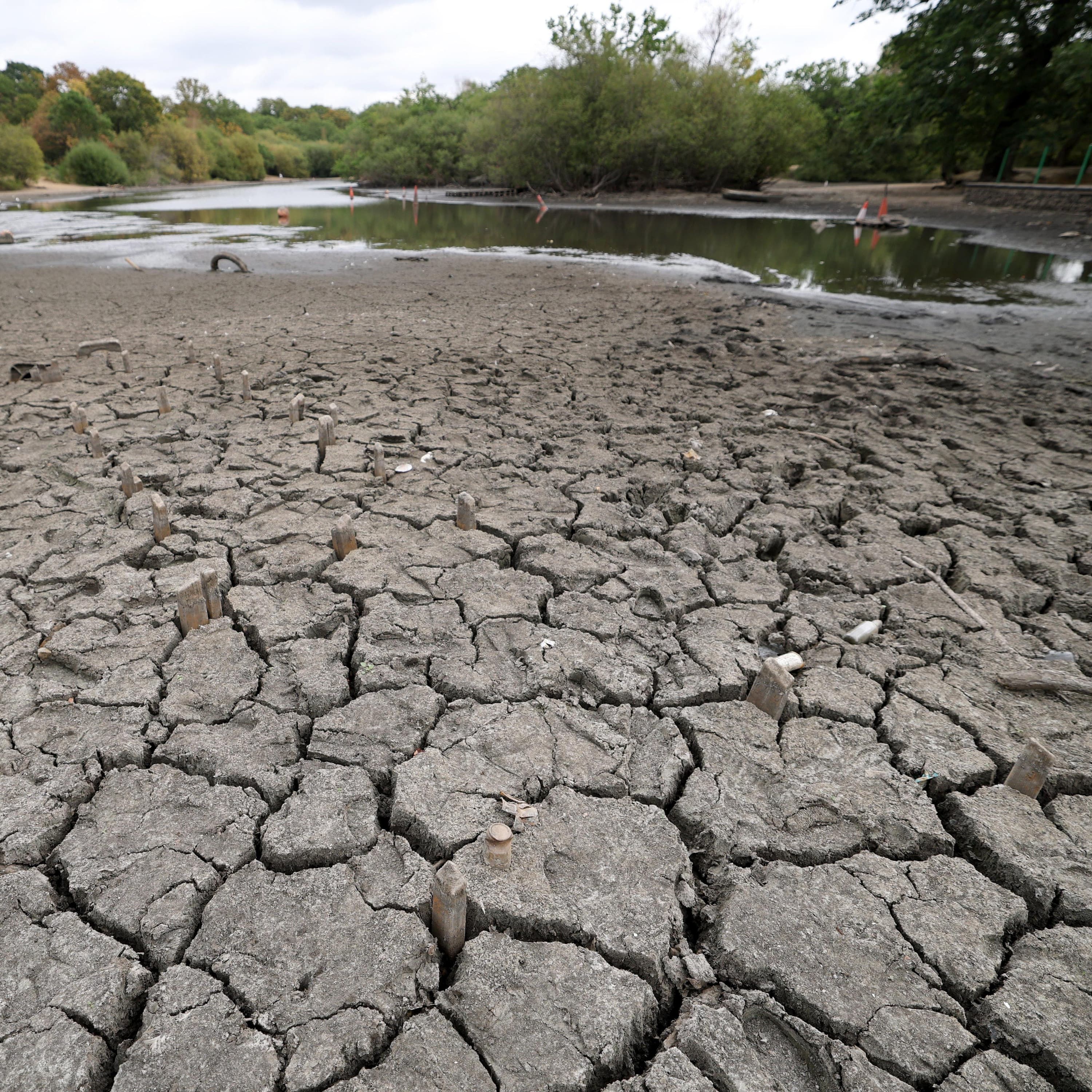
It’s finally raining. Will it be enough to end the drought?
After a summer that has seen England and Wales experience the driest July since records began, rain is finally on the horizon. But with reservoirs at ‘exceptionally low’ levels, will there be enough rain to replenish stocks? Madeleine Finlay hears from Dr Anna Murgatroyd, a lecturer in hydrology at Newcastle University, about how much rain we need to see us through next summer, why we’re now at increased risk of floods, and what we can all be doing to take better care of our water supplies. Help support our independent journalism at theguardian.com/sciencepod
15 mins
20 August Finished
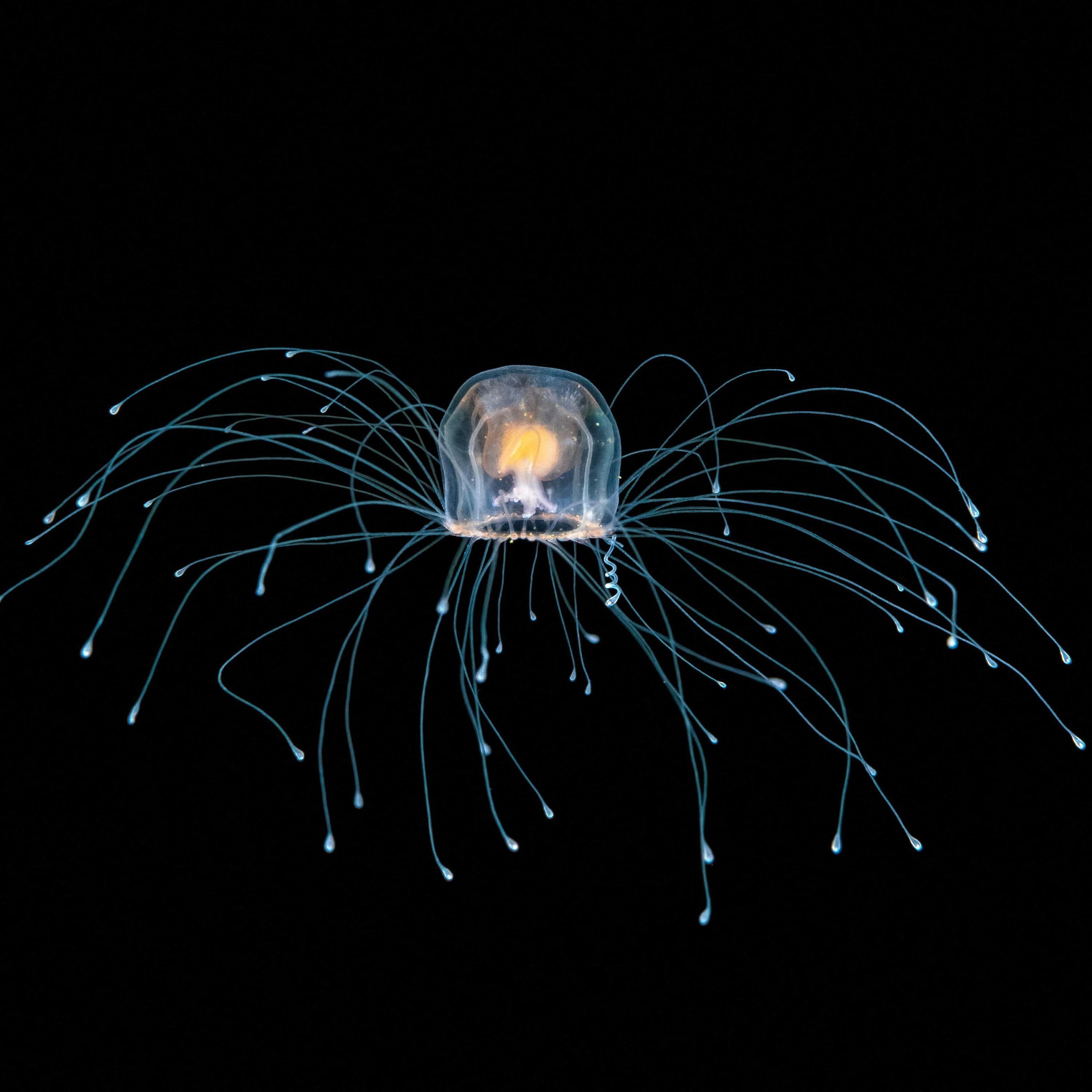
The immortal jellyfish and other mindblowing invertebrates
Each year the Guardian runs a competition to find the invertebrate of the year. To find out more about the 2026 nominees science editor Ian Sample hears from climate reporter Petra Stock, environment reporter Oliver Milman and Science Weekly co-host Madeleine Finlay. They each nominate an incredible invertebrate that you might never have heard of, and argue why their choice should be crowned the winner. Vote for your favourite now and the winner will be crowned on 17 August. Help support our independent journalism at theguardian.com/sciencepod
15 mins
13 August Finished
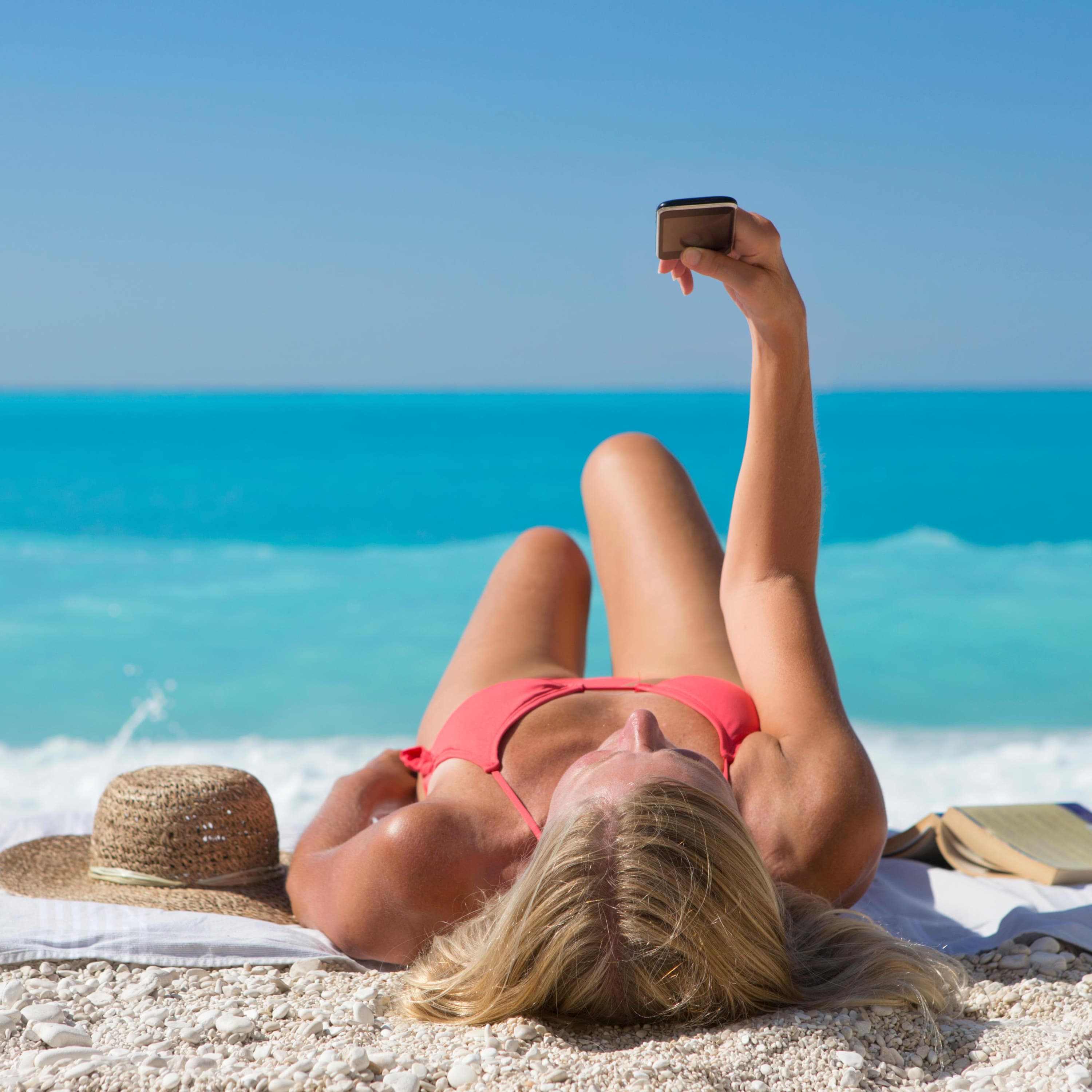
We’re reading less. And it’s making us stupid
Books have never been trendier, but studies show that as more and more things compete for our frazzled attention spans, we’re reading less and less. This is a problem because reading has a wealth of cognitive benefits that we’re in danger of missing out on. To find out why declining literacy could affect everything from memory to IQ, Madeleine Finlay speaks to the Guardian’s science editor, Ian Sample. She also hears from Prof Falk Huettig, an experimental psychologist at the Max Planck Institute for Psycholinguistics and author of The Perks of Being a Bookworm. Help support our independent journalism at theguardian.com/sciencepod
19 mins
11 August Finished

Four types of thinker, the cyclosporiasis outbreak, and the UK’s biggest telescope threatened
Madeleine Finlay is joined by Ian Sample, Guardian science editor, to discuss three eye-catching science stories including an investigation that has identified four distinct types of thinker. Also on the agenda is the unprecedented cyclosporiasis outbreak in the US which has now been linked to two fatalities, and the funding cuts that threaten the iconic Jodrell Bank world heritage site, home to the Lovell telescope. Help support our independent journalism at theguardian.com/sciencepod
22 mins
6 August Finished
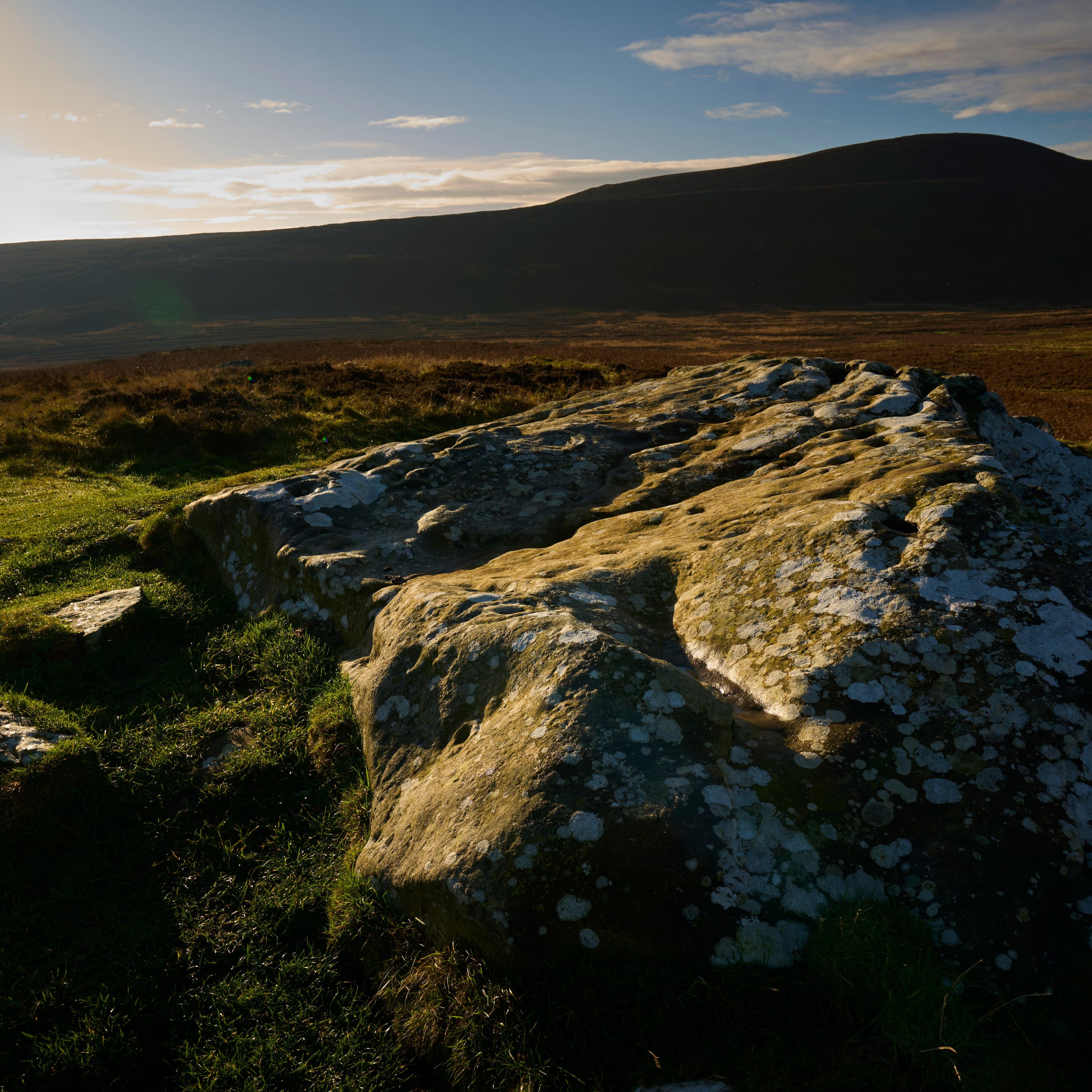
The fight to save a historic English landscape
Madeleine Finlay travels to the Rothbury estate in Northumberland, in north-east England. It’s a piece of land that has been in the same family for 700 years, but now it has been put up for sale and the UK’s Wildlife Trusts are trying to raise £30m to secure it intact. To find out what makes the area so special, Madeleine speaks to Katy Barke, the head of nature recovery for Northumberland Wildlife Trust. She also hears from Sam Turner, a professor of archaeology at Newcastle University, who is trying to work out how the land has been used across the centuries. This work will inform the strategy for nature recovery on the site. And Rosie Pearce, a farm liaison officer, explains how the project could bring more wildlife-friendly farming practices to the estate. Help support our independent journalism at theguardian.com/sciencepod
16 mins
4 August Finished