
RA.810 SHERELLE
26 August - 1 hour 6 minsThe British jungle star reflects on grief, artistic integrity, bass communities and why slowing down has become central to the next phase of her career.
In 2019, SHERELLE's life changed when a viral Boiler Room set introduced her high-speed blend of jungle, footwork and hardcore to a global audience. This much we know. So what comes after the storm?
In the 2020s, the Londoner has become one of the most recognisable figures in UK dance music: major festival stages, a BBC Radio 6 Music show and even a MOBO award. Yet after putting herself through over 100 shows a year, and turning 30, she began to question the pace of life as a touring DJ. The deaths of two close family members over the past...
Series Episodes

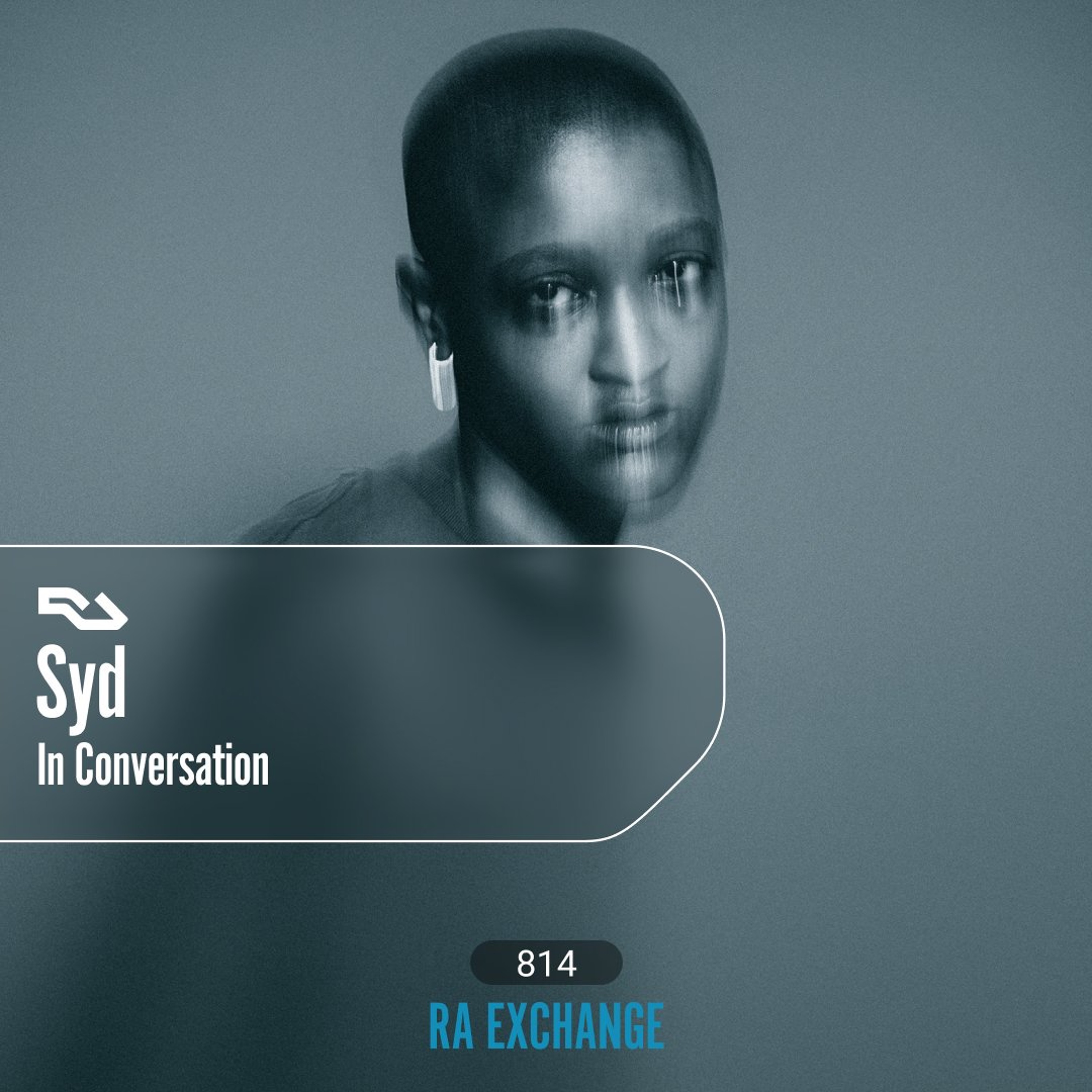
EX.814 Syd
The frontwoman of Grammy-nominated The Internet talks ambition, contentment and her third solo album, Beard. Syd, born Sydney Bennett, is nearly 20 years into a career that started when she was a teenager. She cut her teeth as the in-house engineer and DJ for hip-hop collective Odd Future before forming The Internet, the Grammy-nominated soul group that helped shape a strand of Los Angeles R&B in the 2010s. Two solo albums followed—Fin in 2017 and Broken Hearts Club in 2022—but she describes her third, Beard, which came out this summer, as the first that feels fully her own. She made it in the same period she married her partner and, by her own account, arrived at a version of self-acceptance she'd been circling for a decade. In this Exchange, Syd sits down with RA's Content Production Lead Antonia Odunlami to talk about the album's title, a reference to the facial hair she stopped removing after years of treating it as something to hide. They also discuss letting go of who she was "supposed" to be, why she's stopped chasing the "sleep when you're dead" ambition she was raised on and her plans to get back behind the CDJs after years away. Listen to the full episode.
54 mins
23 September Finished
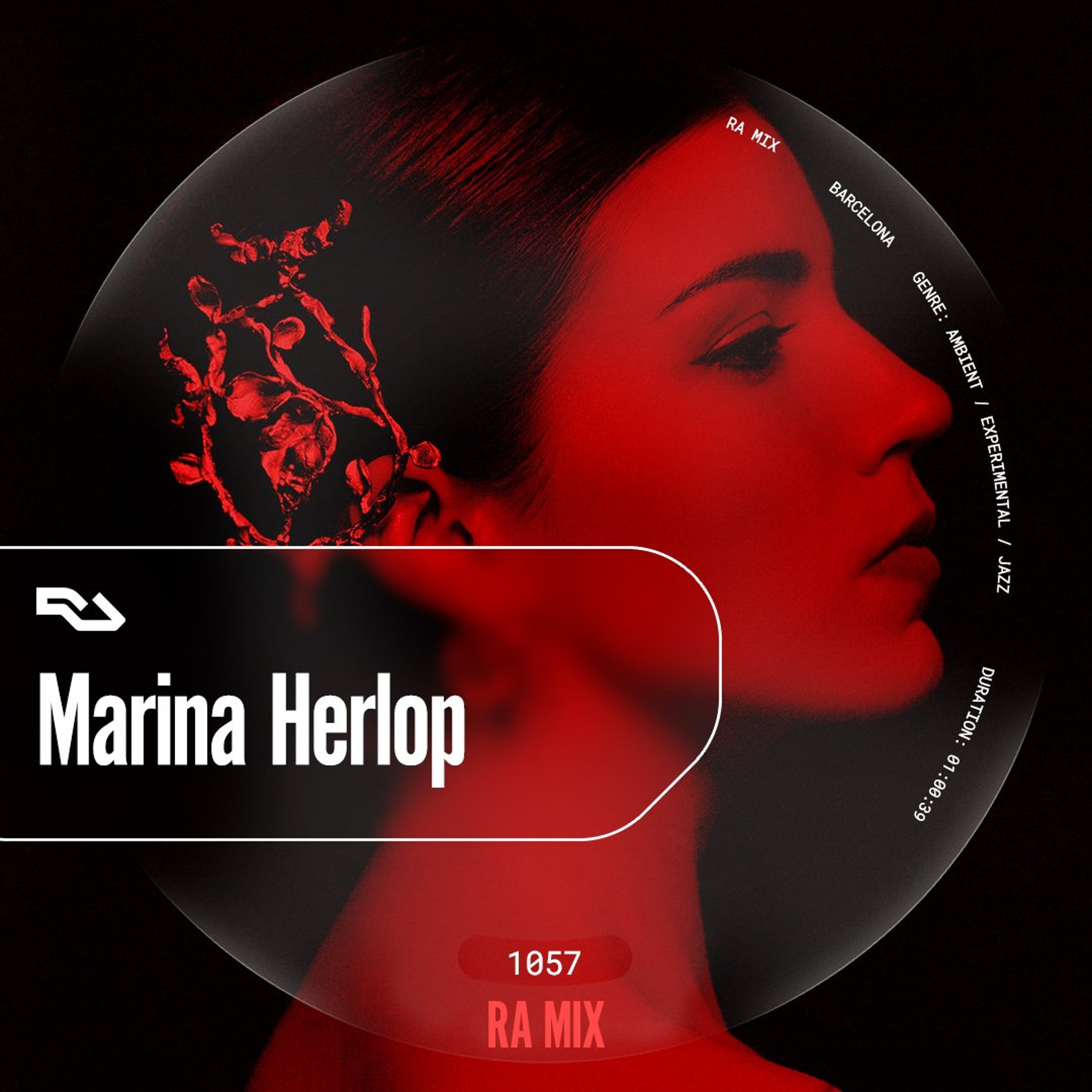
RA.1057 Marina Herlop
An hour of ancient and alien sounds from the Catalan composer and PAN favourite. Marina Herlop is at once from the future and from the past. The classically trained Catalan singer's voice opens a door onto an older world—a nymph out of a Romantic painting. Underneath, something deeply alien. "When you're writing a song… there's a moment of expulsion, like a squid spitting," she told Pitchfork. She didn't open a laptop until her third album, learning Ableton from scratch over a fortnight in her father's family home in the Aragon hills. That record, Pripyat, and its follow-up Nekkuja landed on PAN, placing her among the experimental queens like Eartheater and Jenny Hval—with a touch of Björk. Her RA Mix brings those influences to the surface: classical with a whiff of the strange (Holst's Rig Veda hymns, Sakamoto playing Ravel), music for worlds that don't exist (Ragnarok Online, Jujutsu Kaisen, Morricone) and a study in everything a voice can be made into. Barely any is club music. Assembled in Ableton—"I don't have access to a CDJ right now," she says—RA.1057 is a soundtrack for decompression. Asked which club shaped her most, she named one that isn't: El Pumarejo, the Barcelona space where she met the musicians still in her band. Find the Q&A and tracklist at ra.co/podcast/1076 @marinaherlopofficial
1 hour
20 September Finished
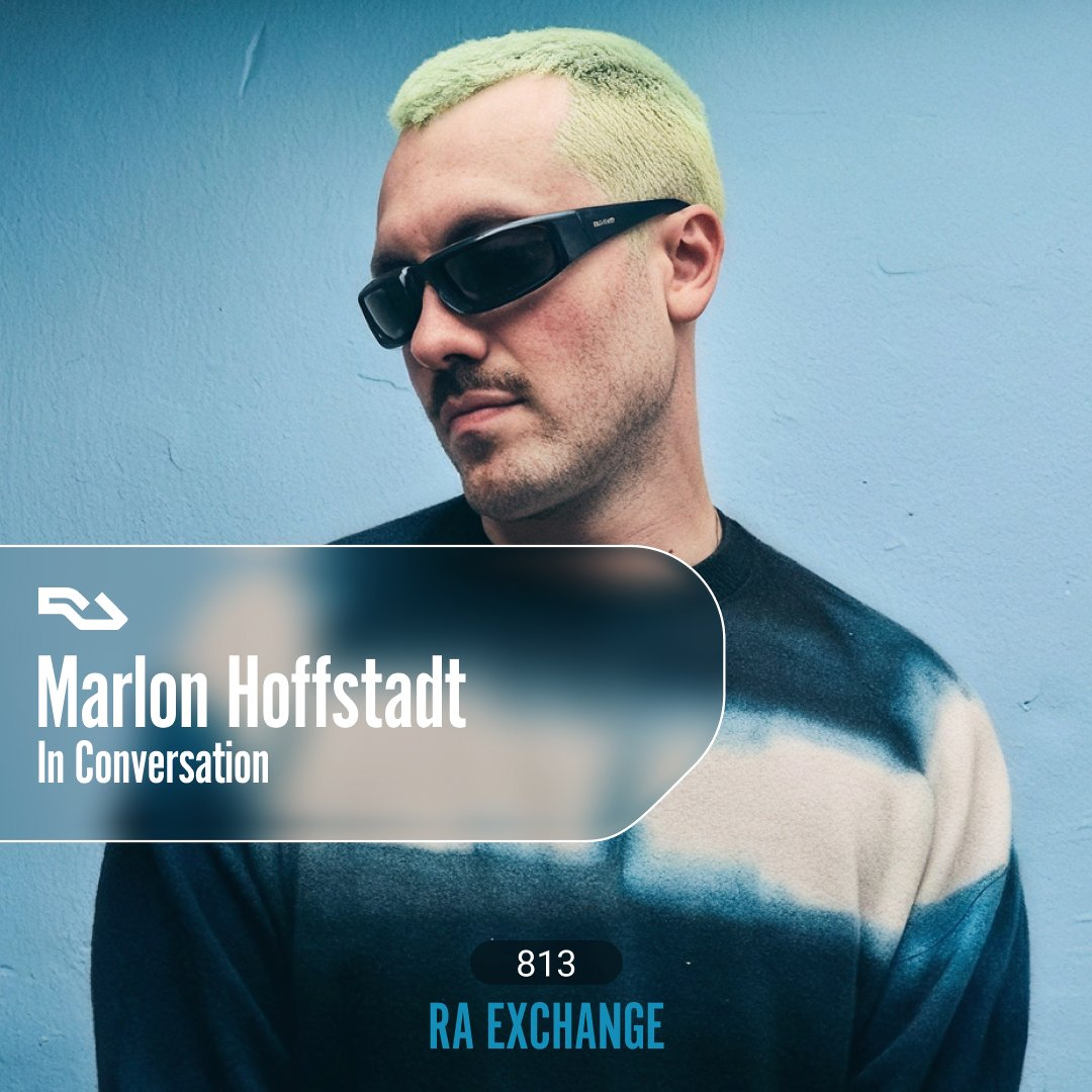
EX.813 Marlon Hoffstadt
The trance DJ on clickbait journalism, commercial success and making a name in the viral age. Marlon Hoffstadt started DJing at 17. By 18, he got his first taste of moderate success, and at 20, it had all disappeared. What followed was several years in the trenches: demos ignored, labels uninterested and a career that seemed to be ending before it even took off. Hoffstadt went back to study journalism and PR, became a dad and continued to make music no one wanted to release. Then, somewhere at the intersection of the post-pandemic landscape and the rise of the TikTok influencer, he re-emerged as DJ Daddy Trance, a hands-in-the-air commercial DJ headlining festivals around the world. This uncanny shift has made him the subject of sharp criticism from some figures in the underground scene where it all started for Hoffstadt. In this RA Exchange, the Berlin native directly addresses his detractors. He also talks about how he's channeled Berlin's underground sensibility into the world of expensive tickets and stadium-scale production; what changed between his throwing no-phone parties in 2019 and dominating a scene that profits from video reels; and his reaction to some of Resident Advisor's recent posts and articles—and what he, as a former PR professional, would have done differently. His new album, Das ist Daddy, is out now on Capitol Records. Listen to the episode in full.
1 hour 15 mins
16 September Finished
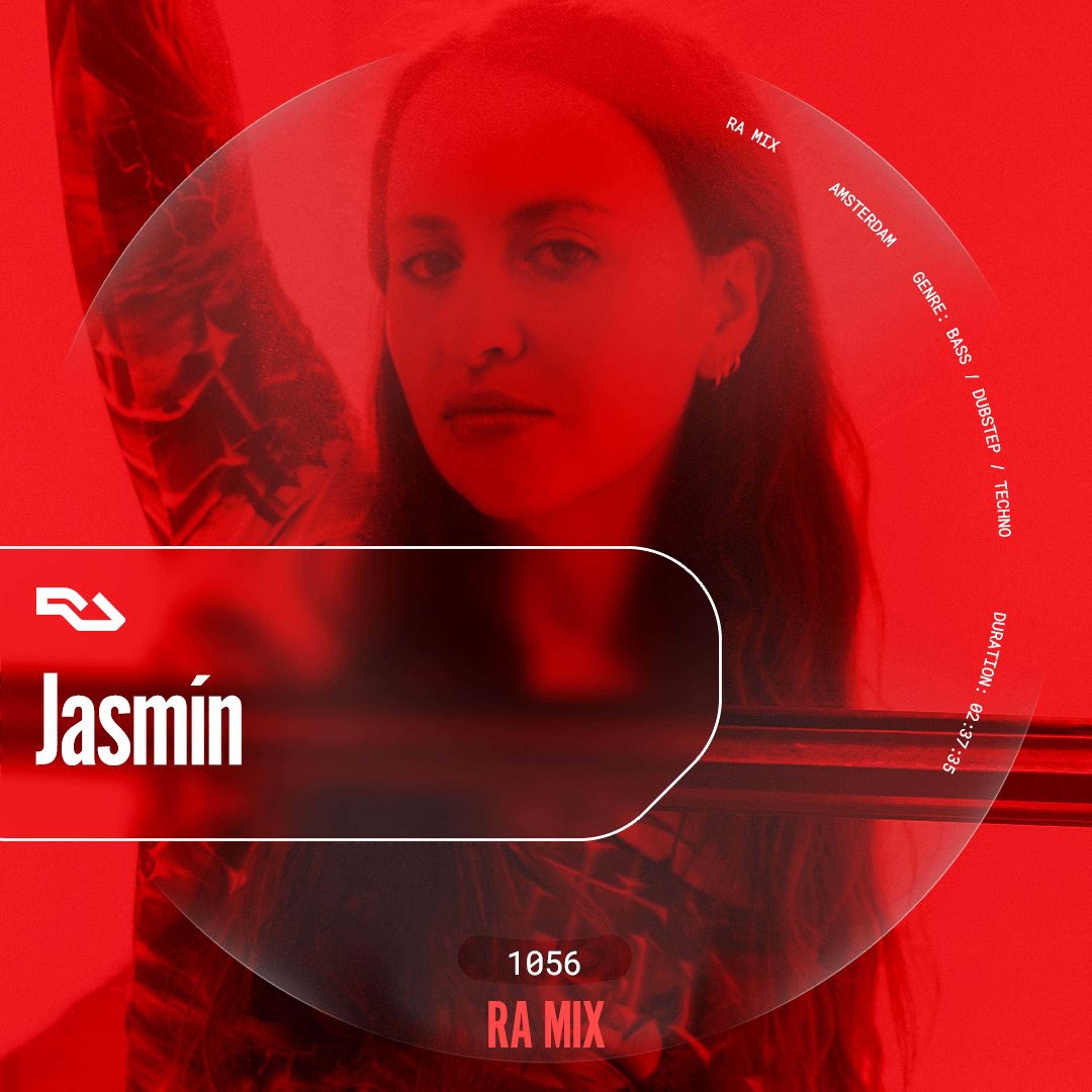
RA.1056 Jasmín
One of the Netherlands' sharpest selectors turns in over two hours of smoke-thick techno and cathartic bass weight. "Genre-defying" has trailed Jasmín Hoek, best known as Jasmín, for years. It isn't wrong—listen to the Dutch-Argentinian artist's mixes and you'll hear anything from Rrose and Blawan to Ricardo Villalobos and DJ Koze. But it misses a better question: what holds it all together? "For every set I play, I think of the colours I want to represent," Hoek explains in her Q&A. For RA.1056, she channels warm, earthy colours; you'll see it running through the tracklist, from "Burning Blood" and "Eruption" to "Chamas E Fumaça." The other constant is percussion over melody. Half Argentinian, Hoek has spoken about her preference for rhythm, and it gives her work a physicality you can almost walk into. It's there from the first minute: Pinch and Shackleton's "Burning Blood," dark and twisted and sprawling. But Hoek is a techno head too, with plenty that wouldn't feel out of place at Berghain: Cari Lekebusch, Rene Wise, Rrose. It's a cliché that the best DJs are dancers first, but Hoek embodies it, having worked at De School and, more recently, programming with Nachtparlement. Last year's Bite The Hand That Feeds You arrived as Hessle Audio's 50th release; this year she lands on fabric Originals. Whatever floor she graces next, she'll arrive with a vision that will take you by the hand, and pull you all the way in. Find the Q&A and tracklist at ra.co/podcast/1075 @Jasminhoek @fabric @hessleaudio
2 hours 37 mins
14 September Finished
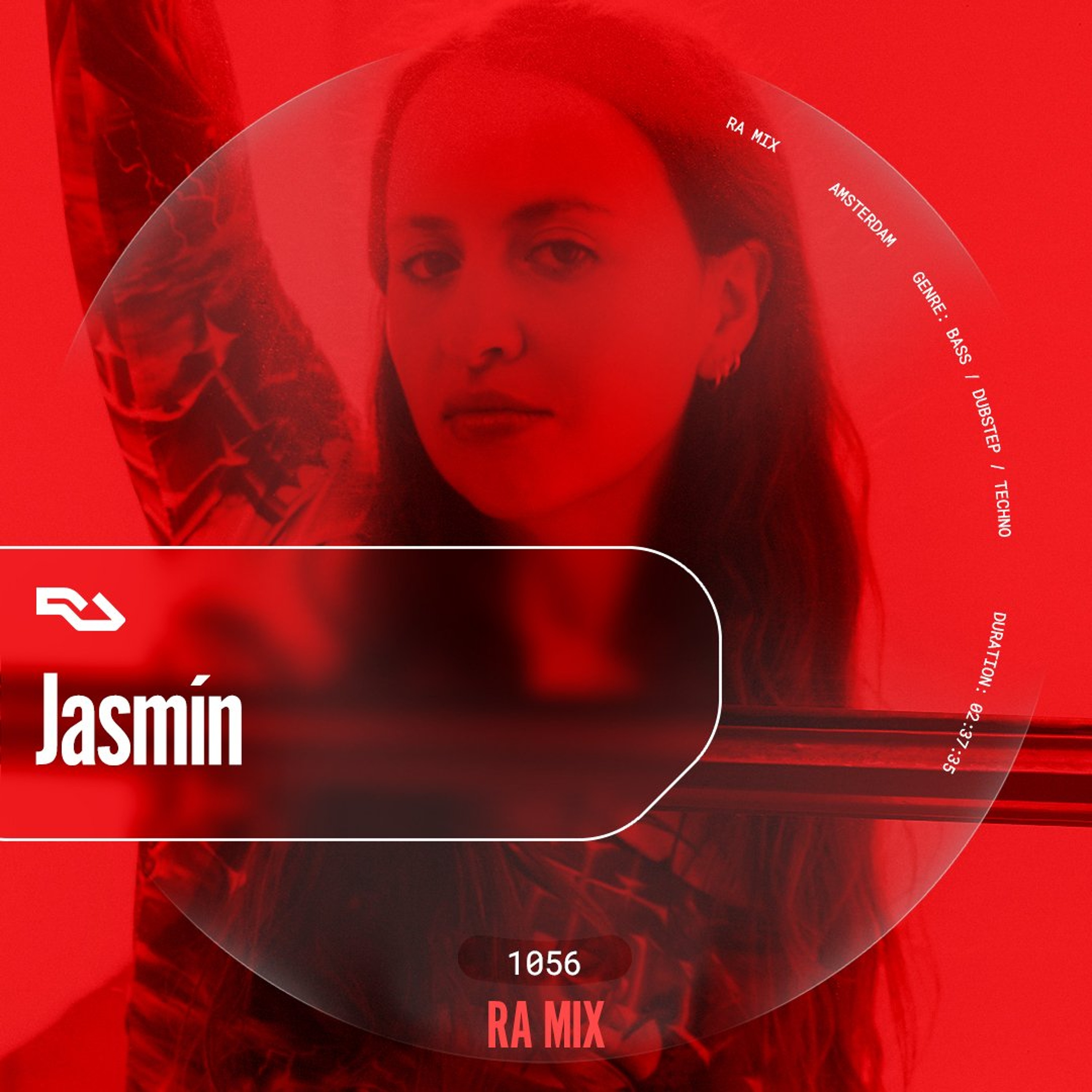
RA.1056 Jasmín
"Genre-defying" has trailed Jasmín Hoek, best known as Jasmín, for years. It isn't wrong—listen to the Dutch-Argentinian artist's mixes and you'll hear anything from Rrose and Blawan to Ricardo Villalobos and DJ Koze. But it misses a better question: what holds it all together? "For every set I play, I think of the colours I want to represent," Hoek explains in her Q&A. For RA.1056, she channels warm, earthy colours; you'll see it running through the tracklist, from "Burning Blood" and "Eruption" to "Chamas E Fumaça." The other constant is percussion over melody. Half Argentinian, Hoek has spoken about her preference for rhythm, and it gives her work a physicality you can almost walk into. It's there from the first minute: Pinch and Shackleton's "Burning Blood," dark and twisted and sprawling. But Hoek is a techno head too, with plenty that wouldn't feel out of place at Berghain: Cari Lekebusch, Rene Wise, Rrose. It's a cliché that the best DJs are dancers first, but Hoek embodies it, having worked at De School and, more recently, programming with Nachtparlement. Last year's Bite The Hand That Feeds You arrived as Hessle Audio's 50th release; this year she lands on fabric Originals. Whatever floor she graces next, she'll arrive with a vision that will take you by the hand, and pull you all the way in. Find the Q&A and tracklist at ra.co/podcast/1075 @Jasminhoek @fabric @hessleaudio
2 hours 37 mins
13 September Finished
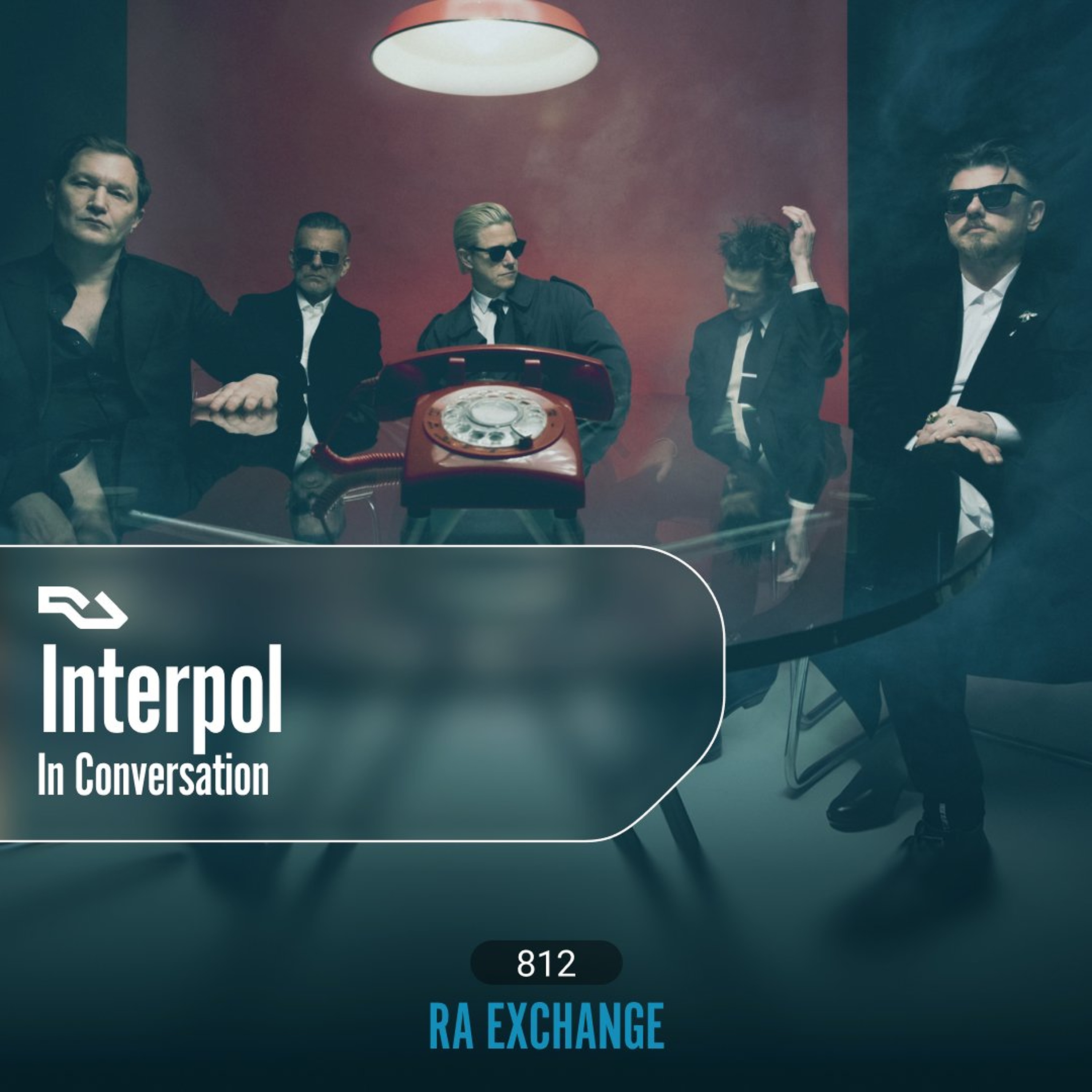
EX.812 Interpol
Frontman Paul Banks on the legacy band's creative evolution, why he prefers hip-hop to rock and their new album, This Mirror Weighs a Ton. Interpol might not be electronic in the traditional sense, but they've long been the techno fan's indie band of choice. Cofounded by lead singer Paul Banks and guitarist Daniel Kessler in 1997—Banks is the lyricist, Kessler the composer—they emerged in Manhattan's burgeoning guitar music scene. Their 2002 debut, Turn On the Bright Lights, is widely considered one of the defining albums of the decade, and landed them in the middle of the early-'00s New York rock revival alongside The Strokes, Yeah Yeah Yeahs and LCD Soundsystem. They went on to shape the moody, post-punk revival canon that defined the following decade. Interpol are now back with an album that's been called their best in years: This Mirror Weighs a Ton. In this Exchange, Banks unpacks the LP's conception and composition with producer Andrew Wyatt—best known for his work with artists like Bruno Mars, Charli xcx and Dua Lipa—and its darker lyrical meditations on drone footage, mediated violence and the surveillance state. Banks also reveals the version of himself that isn't typically in the press cycle. Outside of Interpol, the singer is an avid beatmaker who hasn't listened to rock music in over twenty years. He DJs hip-hop under the name Fancypants, released a sample-based mixtape featuring US rapper Talib Kweli and has collaborated with everyone from Wu-Tang's RZA to Kool Keith, Ghostface Killah and Method Man. In this conversation, he explains why he thinks hip-hop is the only genre still meaningfully inventing language—and what that means for the band he's been fronting for nearly 30 years. This Mirror Weighs a Ton is out now on Partisan Records. Listen to the episode in full.
55 mins
10 September Finished