What Apple’s OpenAI lawsuit is really about
23 July - 44 minsToday, I’m talking with Hayden Field, The Verge’s senior AI reporter, about the major trade secrets lawsuit between Apple and OpenAI, and what this tells us about OpenAI’s future.
Hayden has been covering OpenAI for years now, and she also just talked to a bunch of lawyers who specialize in intellectual property and trade secret law to get a sense of how serious this case is. The answer is not entirely positive for OpenAI. This legal battle could also affect OpenAI’s hardware plans, its forthcoming IPO, and its already-damaged reputation.
Read the full interview transcript on The Verge.
Links:
Sam Altman didn’t need another lawsuit | The Verge
OpenAI’s first device will be movea...
Series Episodes


How Utah locals fought Kevin O'Leary's AI data center
Today I’m talking with Josh Dzieza, a longtime features writer here at The Verge, about a massive data center in Utah that does not exist, might never exist, and yet has already completely reshaped the politics of the entire state. Josh just published a major feature this week on the struggling Stratos data center project in Utah backed by Shark Tank star Kevin O’Leary. So I invited Josh on the show to discuss what’s happening inside the AI industry’s infrastructure boom, inside the bipartisan backlash to data centers, and how the tech industry is running into the one obstacle it can’t seem to spend its way out of: local democracy. Links: The People of Utah vs. Kevin O'Leary | The Verge Adams — burdened by data center fallout — ousted by voters | Salt Lake Tribune ‘Shark Tank’ star sued by opponents he claimed were foreign agents| NYT Fox News apologizes for airing O’Leary claims about data centers | The Hill Kevin O’Leary agrees to downsize massive Utah data center | The Verge The biggest data center ever is becoming a huge problem in Utah | The Verge America's data center future is Loudoun County's past | The Verge The left and right agree on one thing: no data centers | Decoder Decoder is a Signal Awards finalist in the Business category! You can vote to help us win here. Subscribe to The Verge to access the ad-free version of Decoder! Credits: Decoder is a production of The Verge and part of the Vox Media Podcast Network. Decoder’s producers are Greg Ott, Kate Cox, and Nick Statt. This episode was edited by Ursa Wright. Our editorial director is Kevin McShane. The Decoder music is by Breakmaster Cylinder. Learn more about your ad choices. Visit podcastchoices.com/adchoices
44 mins
1 October Finished
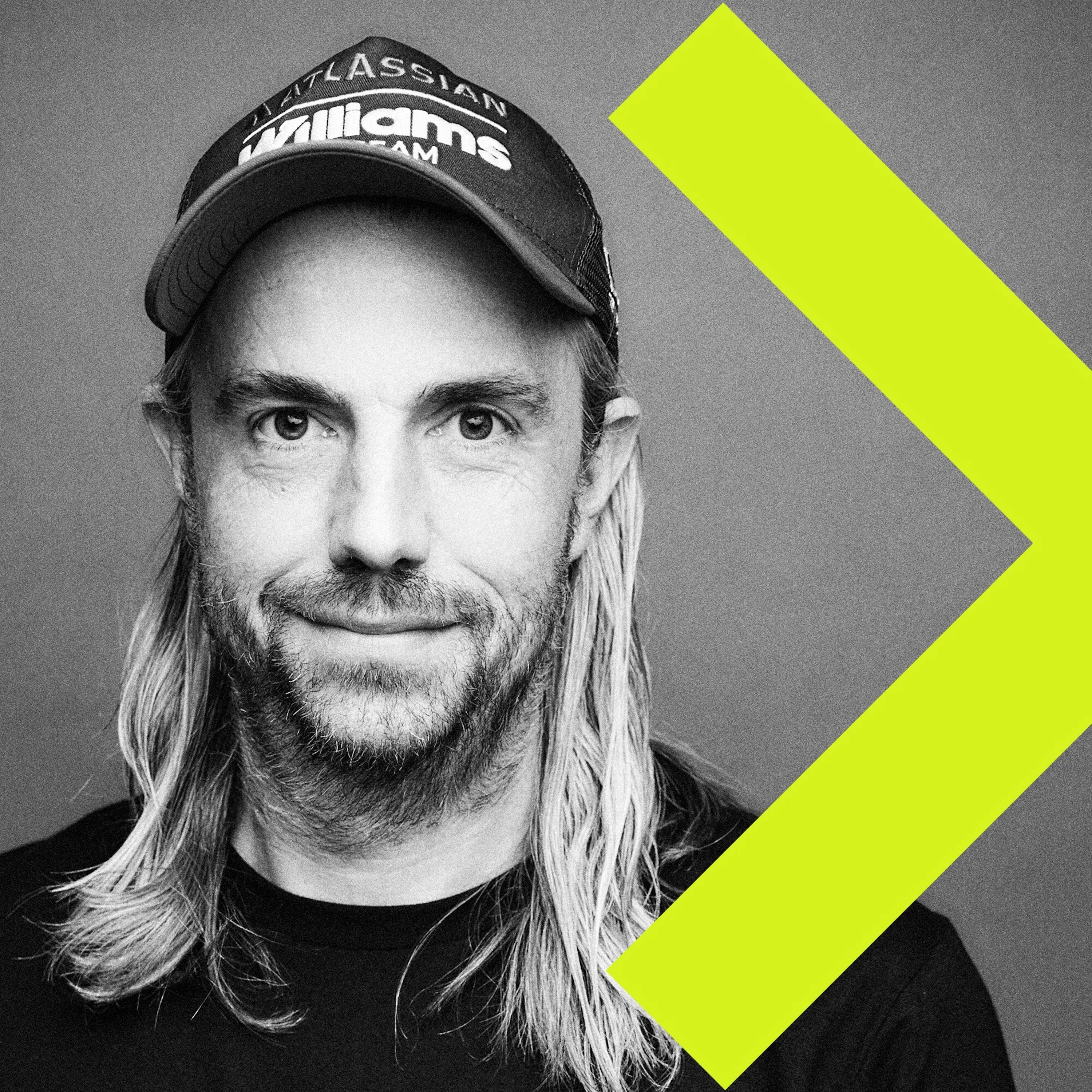
The SaaSpocalypse that wasn't, with Atlassian's CEO
My guest today is Mike Cannon-Brookes, who is co-founder and CEO of Atlassian. Atlassian is one of those companies that every other company runs on — it makes important platform tools like Jira and Trello. This means Atlassian is also right in the middle of the way AI is changing how all these companies work. Or, if you buy the idea of the so-called SaaSpocalypse, AI might just build all of these tools for you, destroying this entire category of businesses. Obviously, Mike had a lot of thoughts pushing back on this narrative, so we spent time really digging in and talking through what AI is doing to enterprise software. Links: How Australia became the test bed for tech regulation | Decoder (2021) Building a $45B company far from Silicon Valley’s ‘froth and bubbles’ | Semafor Atlassian CEO Mike Cannon-Brookes on Atlassian and AI | Stratechery How Atlassian shook off the 'SaaSpocalypse' for a big rally | IBD Atlassian acquires The Browser Company, maker of the Arc browser | The Verge Atlassian Co-CEO resigns, leaving Cannon-Brookes as sole chief | Bloomberg Atlassian cuts 1,600 jobs amid AI push | Forbes Subscribe to The Verge to access the ad-free version of Decoder! Credits: Decoder is a production of The Verge and part of the Vox Media Podcast Network. Decoder’s producers are Greg Ott, Kate Cox, and Nick Statt. This episode was edited by Ursa Wright. Our editorial director is Kevin McShane. The Decoder music is by Breakmaster Cylinde Learn more about your ad choices. Visit podcastchoices.com/adchoices
1 hour 16 mins
28 September Finished

Can Cloudflare save the web from AI?
Cloudflare discovered in June that bots already make up more than half of internet traffic — and CEO Matthew Prince says that bots could outnumber humans a thousand to one within five years. That's a huge change to the internet, and if the web is going to keep existing, it needs a huge change to its business model. Can Cloudflare use its place in the ecosystem to direct the money back to the people who make content? Read the full interview transcript on The Verge. Links: How I choose which Cloudflare employees to replace with AI | Wall Street Journal Why Cloudflare CEO Matthew Prince is the internet’s unlikely defender | Decoder (2024) Cloudflare will now block AI crawlers by default | The Verge Patreon partners with Cloudflare to block AI crawlers | 404 Media Sony and Warner sue Anthropic in latest AI music lawsuit | Billboard Trump administration supports OpenAI in NYT copyright lawsuit | The Verge Google Zero is here — now what? | The Verge (2024) Subscribe to The Verge to access the ad-free version of Decoder! Credits: Decoder is a production of The Verge and part of the Vox Media Podcast Network. Decoder’s producers are Greg Ott, Kate Cox, and Nick Statt. This episode was edited by Kabir Chopra. Our editorial director is Kevin McShane. The Decoder music is by Breakmaster Cylinder. Learn more about your ad choices. Visit podcastchoices.com/adchoices
1 hour 18 mins
26 September Finished
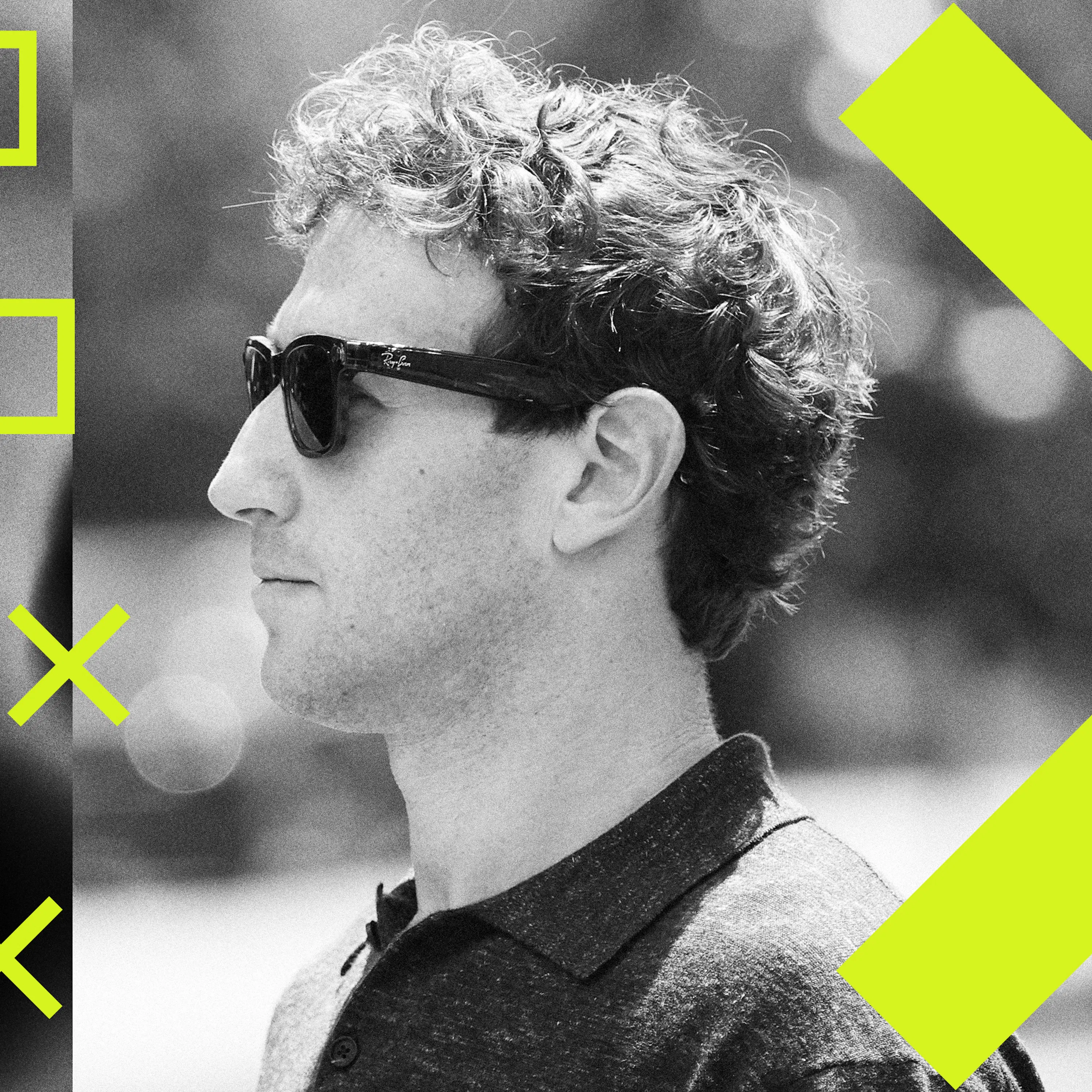
I have some questions for Mark Zuckerberg
It’s a big week for Meta. The company has its big Connect conference, and the new Muse AI agent appears to be an early hit. CEO Mark Zuckerberg has been doing a lot of interviews about it all — so of course we asked for him to be on Decoder. Meta declined, for whatever reason. But luckily Mark just did a big interview with our friend and former colleague Alex Heath on the Sources podcast. So I figured we could highlight some moments from that conversation to point out some obvious gaps in what Mark is saying about Meta and hopefully inspire the next set of people who talk to him with some follow-up questions. Read the full interview transcript on The Verge. Links: Mark Zuckerberg interview | Sources Podcast How Meta got everything it wanted in secret data center deal | New York Times Can you forget how you feel about Meta? | The Verge Zuck doesn’t want to press pause on AI | The Verge Meta glasses are a workplace menace | The Verge Mark Zuckerberg doesn’t understand how to live | The Verge Four takeaways from Mark Zuckerberg’s massive AI manifesto | The Verge Meta says US states are seeking $1.4 trillion in penalties | Reuters Subscribe to The Verge to access the ad-free version of Decoder! Credits: Decoder is a production of The Verge and part of the Vox Media Podcast Network. Decoder’s producers are Greg Ott, Kate Cox, and Nick Statt. This episode was edited by Ursa Wright. Our editorial director is Kevin McShane. The Decoder music is by Breakmaster Cylinder. Learn more about your ad choices. Visit podcastchoices.com/adchoices
23 mins
24 September Finished

Can John Ternus find Apple's next big thing?
Today, I’m talking with Bloomberg’s Mark Gurman, who is the world’s best-sourced Apple reporter. Earlier this month, Apple hosted its annual iPhone hardware event, and this event was special, for a number of reasons. It was new Apple CEO John Ternus’ first major product launch. It was also the debut of the foldable iPhone Duo. So I wanted Mark on the show to explain why this event was so important, and how John Ternus’ Apple will look a lot different from Tim Cook’s. Read the full interview transcript on The Verge. Links: Apple iPhone Duo launch event: the 5 biggest announcements | The Verge The iPhone Duo is Apple’s first foldable | The Verge Tim Cook’s CEO-like pay package shows he isn’t going anywhere | Bloomberg Apple’s Phil Schiller steps down from running App Store | Bloomberg Apple’s new CEO will need to soon overhaul his management team | Bloomberg Apple’s Ternus takes the reins as CEO, with AI as job No. 1 | Bloomberg Subscribe to The Verge to access the ad-free version of Decoder! Credits: Decoder is a production of The Verge and part of the Vox Media Podcast Network. Decoder is produced by Greg Ott, Kate Cox, and Nick Statt. This episode was edited by Eileen Felix. Our editorial director is Kevin McShane. The Decoder music is by Breakmaster Cylinder. Learn more about your ad choices. Visit podcastchoices.com/adchoices
58 mins
21 September Finished

Does AI need an antitrust exemption so it doesn't kill everyone????
The biggest story in tech right now is the spiraling debate about AI safety and regulation. The CEOs of all these companies have issued various calls to slow down development and develop regulation, including asking for antitrust exemptions so they can all coordinate on safety issues. So to make sense of it all, I called Jonathan Kanter, the former antitrust chief for the U.S. Department of Justice in the Biden Administration. There's a lot going on, and we really got into the weeds of how all this regulation might work, and how it might interact with antitrust law, competition policy, and our relationship with China. Read the full interview transcript on The Verge. Links: Is Big Tech’s AI slowdown a safety pact or a cartel? | The Verge Inside the suddenly explosive world of AI safety | The Verge Execs and politicians on slowing down AI development | The Verge Microsoft AI CEO: AI threats are real, Anthropic makes it worse | The Verge Lina Khan: We don’t need new laws to prosecute AI CEOs | Gizmodo Subscribe to The Verge to access the ad-free version of Decoder! Credits: Decoder is a production of The Verge and part of the Vox Media Podcast Network. Decoder’s producers are Greg Ott, Kate Cox, and Nick Statt. This episode was edited by Ursa Wright. Our editorial director is Kevin McShane. The Decoder music is by Breakmaster Cylinder. Learn more about your ad choices. Visit podcastchoices.com/adchoices
46 mins
19 September Finished