
Lest We Forget: The Poppy & Remembrance Day in Ireland
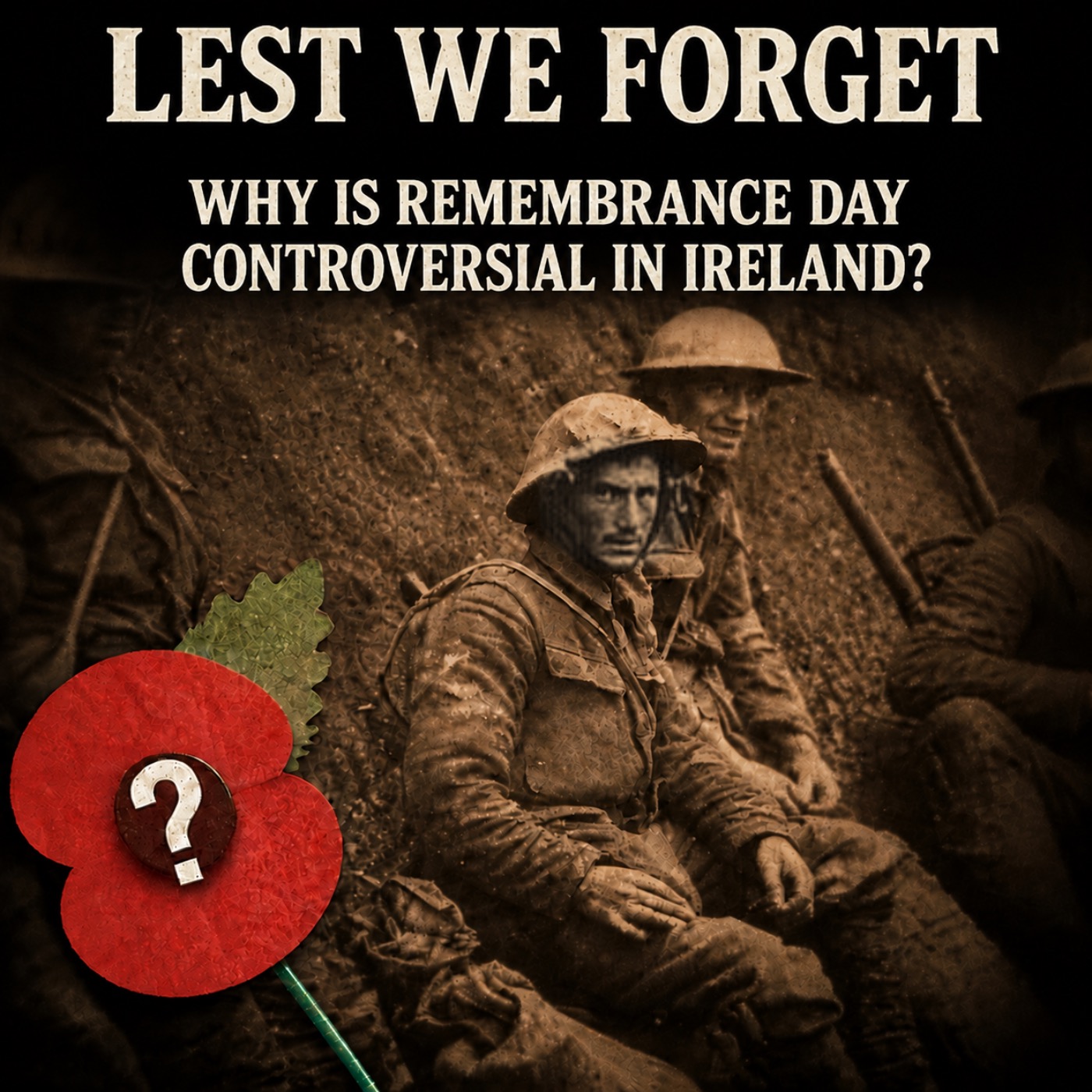
14 October - 56 minsEvery November, the Royal British Legion organises remembrance ceremonies and millions of people wear red poppies. Often portrayed as a way to remember the dead of the World Wars, these commemorations have a far more complicated history in Ireland and Britain. They have been contested since their inception.
In the 1920s, remembrance ceremonies in Dublin became a focus for unionist demonstrations after independence, provoking considerable unrest. During the Troubles, commemorations honouring the British armed forces became contentious in new ways given the British Army’s role in the conflict in the North.
In this episode, historian Brian Hanley joins me to explore the contentious history of...
Series Episodes

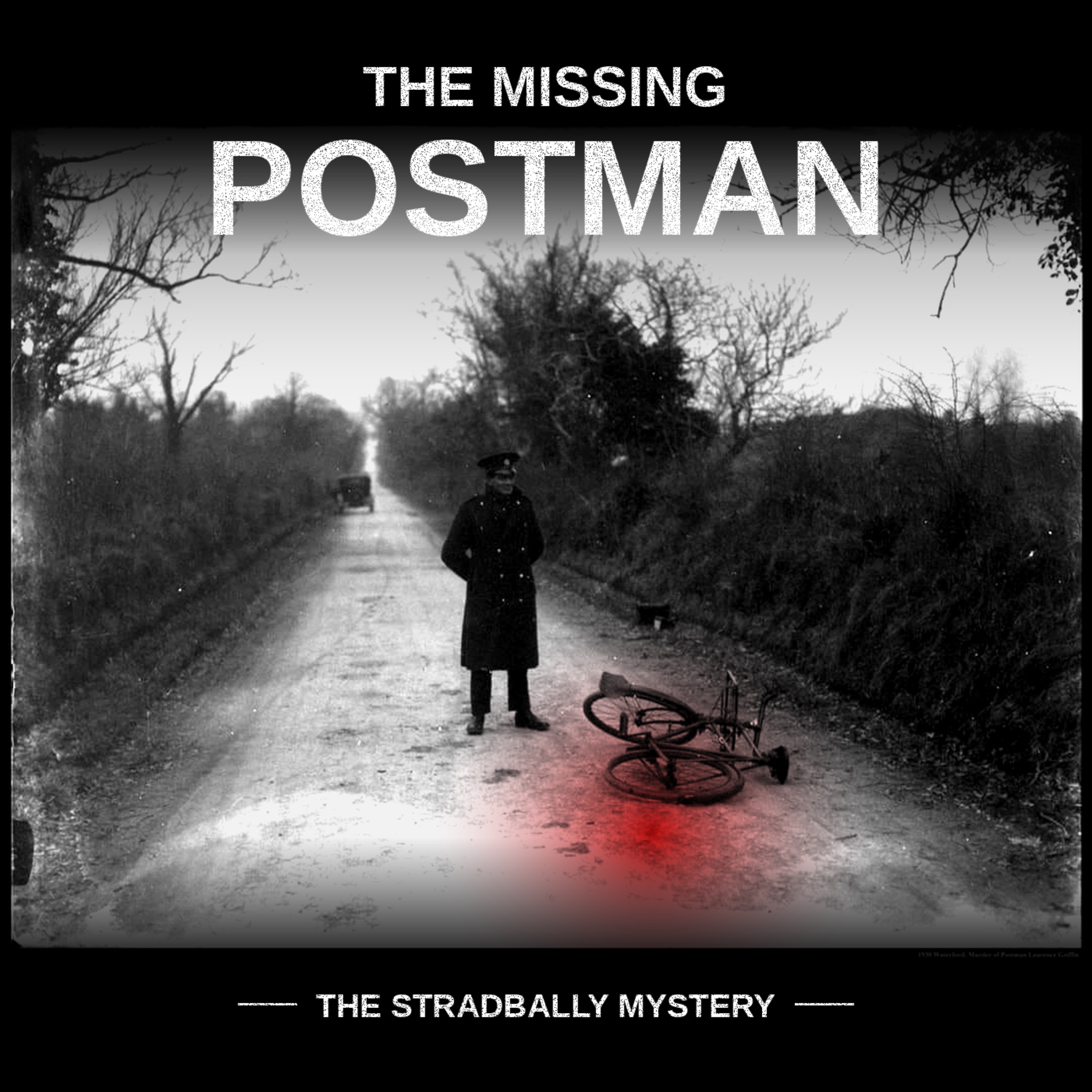
The Mystery of the Missing Postman: Silence in an Irish Village
On Christmas Day 1929, postman Larry Griffin disappeared from Stradbally, Co. Waterford. His bicycle was found abandoned outside the village. While evidence suggested his disappearance was suspicious, the case became an enduring mystery. In this episode, I’m joined by Fachtna Ó Drisceoil, author of The Missing Postman: What Really Happened to Larry Griffin?, to explore a case that became a national scandal. From an illicit Christmas party to a troubled Garda investigation, dramatic arrests and retracted testimony, the story challenges the often idealised image of village life in post-independence Ireland. At its heart lies an unsettling question: what happens when a close-knit community closes ranks, leaving a family without answers? Get you copy of the book https://www.mercierpress.ie/books/the-missing-postman/ My guest is Fachtna O Drisceoil. Fachtna is a broadcaster and writer working in both Irish and English. He has presented and reported on television series such as Scannal, Léargas, and CSÍ, and has produced radio programmes such as Tonight with Vincent Browne, The Dave Fanning Show and Drivetime. He has contributed radio essays to the popular Sunday Miscellany programme and is a frequent contributor to Irish language publications such as Tuairisc.ie, Comhar and Scéal in the Irish Times and Irish Examiner. He currently presents the Tús Áite drivetime news and current affairs programme every weekday on RTÉ Raidió na Gaeltachta. The Missing Postman was an Irish non-fiction bestseller when it was published in 2011. He lives with his wife and two sons in Dún Laoghaire, Co Dublin. Hosted on Acast. See acast.com/privacy for more information.
44 mins
7 October Finished
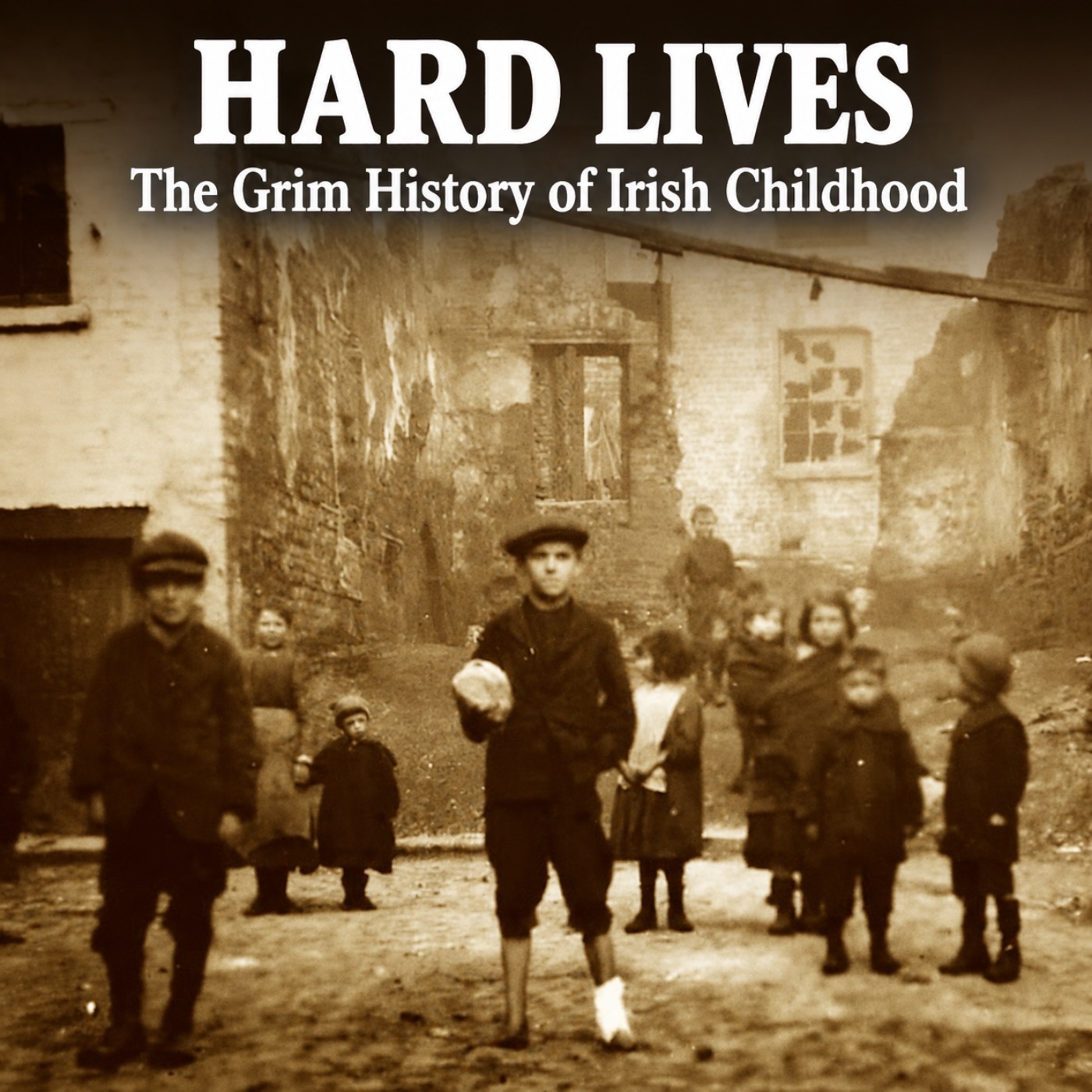
Hard lives: A History of Irish Childhood
Childhood in the past was hard, but how children were treated and what their lives were truly like is often left out of Irish history. In this episode historian Frank Hopkins joins me to look at the darkest corners of childhood in 18th and 19th century Ireland: the boys sold to master chimney sweeps, the trade in stolen children's clothes and the poverty that could lead to infanticde. We explore how children were viewed Irish society, why people sold and bought children, how the courts treated child criminals as adults and how reformers eventually won the 1875 ban on child sweeps. Content warning: not suitable for younger listeners. This episode contains references to violence against children and sexual violence. Sound by Kate Dunlea You can get Frank's latest book, A Motley Crew, at https://www.newisland.ie/shop/p/a-motley-crew-true-tales-from-irelands-criminal-past Hosted on Acast. See acast.com/privacy for more information.
34 mins
23 September Finished
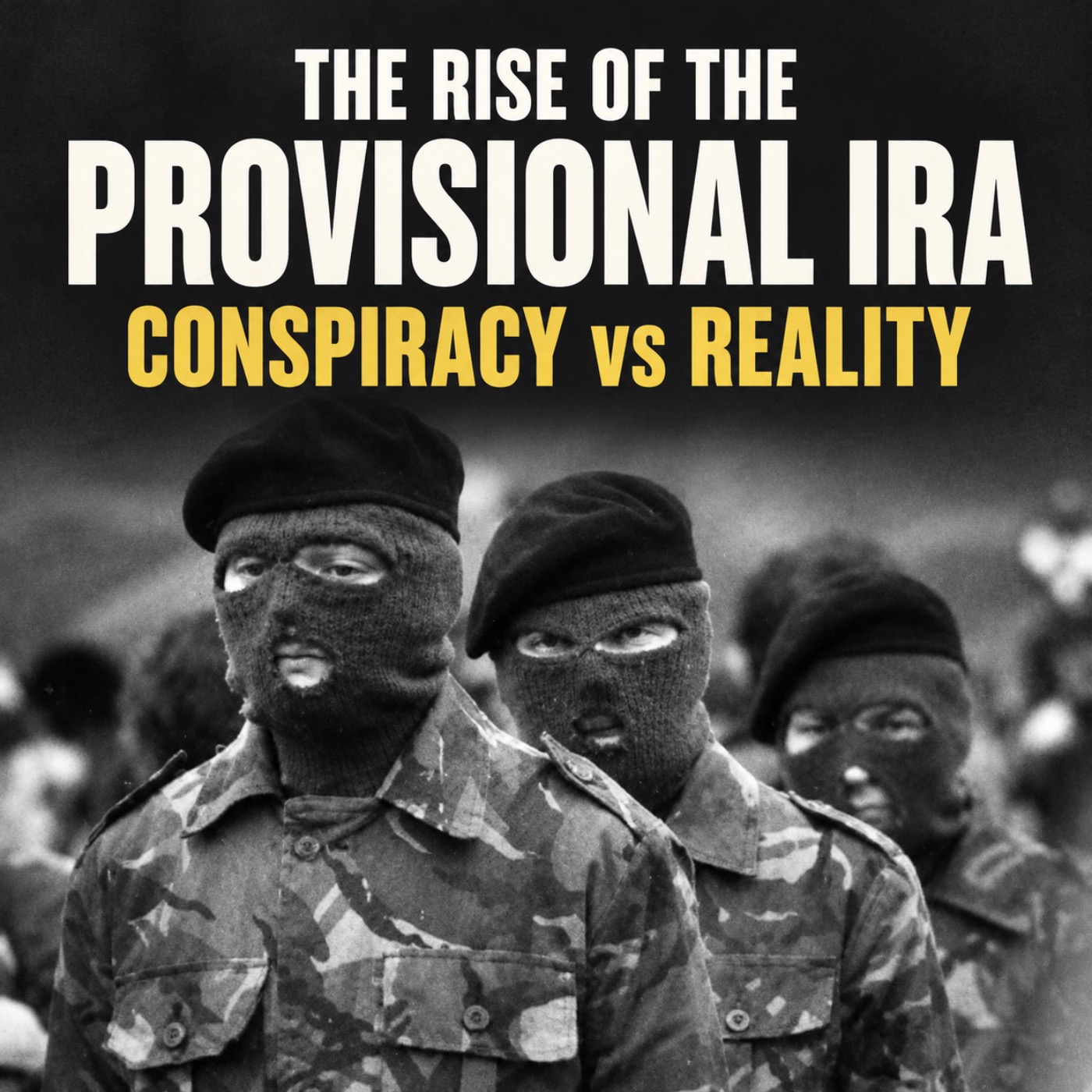
The Rise of the Provisional IRA: Conspiracy vs Reality
In the late 1960s, the Provisional IRA and what became modern Sinn Féin emerged from a bitter split in the Irish republican movement. This split would shape not only the Troubles but also Irish politics down to the present day. However, for the last five decades, the story of how and why that split occurred has been clouded by enduring conspiracy theories. The most prominent of these claims that the Irish government in Dublin orchestrated the split to create a more conservative force in the Provisional IRA and neutralise left-wing republicanism. Many opponents of the Provisionals in the rival Left Wing Official IRA understood these events through this lens. Meanwhile, unionists believed the Provisionals had been created by politicians in Dublin in the hope of destabilising the Northern state. The theory also found adherents among the political enemies of Charles Haughey and Neil Blaney, two politicians whose actions lie at the heart of these claims. Yet the history of those fateful years tells a different story: one of uncertainty and desperation. Conspiratorial interpretations also overlook how politicians in later decades were happy to court such understandings to suit their own ends. In this episode, I am joined by Dr Brian Hanley to thrash out what happened in late 1969 and 1970 and why the IRA split. We discuss where conspiracy theories come from, why they are more common than we might imagine and what purpose they serve. We then explore how the Provisional IRA emerged and became the dominant force in Irish republicanism. The picture that emerges is far from straightforward and at times, disquieting. Rather than being controlled by a handful of people, events sometimes seemed to gather a momentum of their own. There were many forces at play, but no hidden hand at work. Sound by Kate Dunlea. Hosted on Acast. See acast.com/privacy for more information.
53 mins
16 September Finished
The Golden Age of Irish Smuggling
The 18th century was a golden age of Irish smuggling. It's estimated that as many as one third of all luxury goods entering Ireland were brought in by smugglers. Far from being a fringe activity, smuggling was woven into the wider economy and remarkably was often a community enterprise with entire villages involved. It's very different than we imagine: while perhaps less glamorous, it was far more lucrative and important to the Irish economy. In this episode I'm joined by historian James Doherty to explore why smuggling boomed in the 18th century, who was involved and why entire communities along the Irish coast got in on the act. My guest James Doherty is a historian based in Waterford with interests in Military History and the history of smuggling in Ireland in the 18th and 19th centuries. Sound by Kate Dunlea Hosted on Acast. See acast.com/privacy for more information.
28 mins
9 September Finished
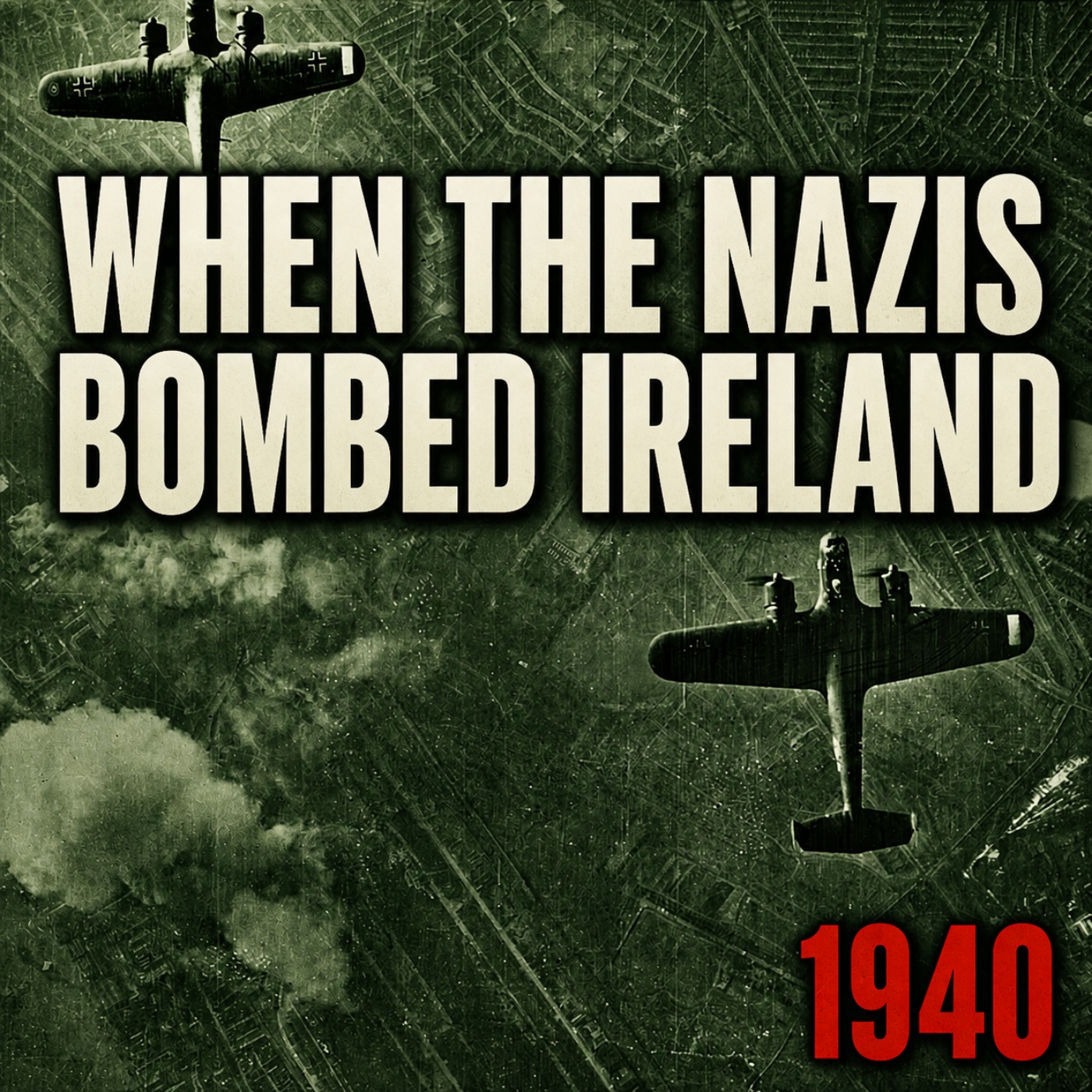
Why Did Nazi Germany Bomb an Irish Village in 1940?
Become a supporter at https://www.patreon.com/c/IrishpodcastOn 26 August 1940, two German aircraft crossed the coast of County Wexford and flew towards the small village of Campile. One aircraft dropped bombs near Ambrosetown, while the other attacked the tiny village of Campile a few miles further east. Three women, Mary Ellen Kent, Catherine Kent and Kathleen Hurley were killed. The bombing shattered the belief that Ireland’s neutrality could protect it from the Second World War. It also ignited a debate that has lasted for decades: Was the attack intentional or were the pilots lost? While politicians attempted to reduce tensions, investigations by An Garda Síochána and Irish Military Intelligence reached disturbing conclusions. They believed Campile had been deliberately targeted by the Nazis. In this episode I explore what happened. I also explore why Irish Military Intelligence were convinced the Nazis intentionally bombed this tiny Irish village at the height of the Battle of Britain and what it purpose it served. Written, researched and presented by: Fin Dwyer Sound: Kate Dunlea Additional narration: Aidan Crowe and Therese Murray Further Reading and Listening: The Campile Bombing, August 26th, 1940, Horeswood Historical Society. This detailed local history includes eyewitness accounts, photographs and primary material relating to the attack. Michael Kennedy, Guarding Neutral Ireland: The Coast Watching Service and Military Intelligence, 1939–1945. Hosted on Acast. See acast.com/privacy for more information.
40 mins
26 August Finished