
Narcolepsy: why you’ve been thinking about it all wrong
6 October - 16 minsThe sleep disorder has been the butt of jokes and a comedic plot point, but the reality of living with narcolepsy is anything but funny. Things could be about to change for people with the condition though, after the US Food and Drug Administration (FDA) approved the first ever drug to treat narcolepsy itself, rather than just its symptoms. Madeleine Finlay tells Ian Sample how the scientific breakthrough came about, and Julie Flygare, who has narcolepsy and founded the non-profit Project Sleep, explains what it is like to live with the condition and how the drug could be gamechanger. Help support our independent journalism at theguardian.com/sciencepod
Series Episodes


Winter depression is real. Here’s what can help
As the nights draw in, many of us can experience low mood. But for a small proportion of people a more intense depression develops through the winter months. It’s a phenomenon that since the 1980s has been labelled seasonal affective disorder, or Sad, and can be debilitating for sufferers. To find out more about the latest scientific understanding of Sad, Ian Sample speaks to Russell Foster, professor of circadian neuroscience at the University of Oxford. He explains what scientists think the mechanism for the condition could be and what the evidence says about the best way to tackle it. • In the UK and Ireland, Samaritans can be contacted on freephone 116 123. In the US, you can call or text the 988 Suicide & Crisis Lifeline at 988 or chat at 988lifeline.org. In Australia, the crisis support service Lifeline is 13 11 14. Other international helplines can be found at befrienders.org. Help support our independent journalism at theguardian.com/sciencepod
16 mins
10 November Finished

‘Ferritin face’: what you need to know about low iron
Social media is awash with claims iron deficiency can be identified in the mirror by dark circles, breaking hair and dry skin. But is ‘ferritin face’ real? Madeleine Finlay tells Ian Sample why so many of us struggle to keep our iron levels up, how we can actually diagnose low iron and the best way to correct a deficiency, with help from Hal Drakesmith, a professor of iron biology at Oxford University, and advice from Dr Sue Pavord, a consultant haematologist at Oxford university hospitals and associate senior lecturer in clinical medicine at St Edmund Hall. Help support our independent journalism at theguardian.com/sciencepod
19 mins
5 November Finished
How a scientist went from hero to traitor in a US water crisis
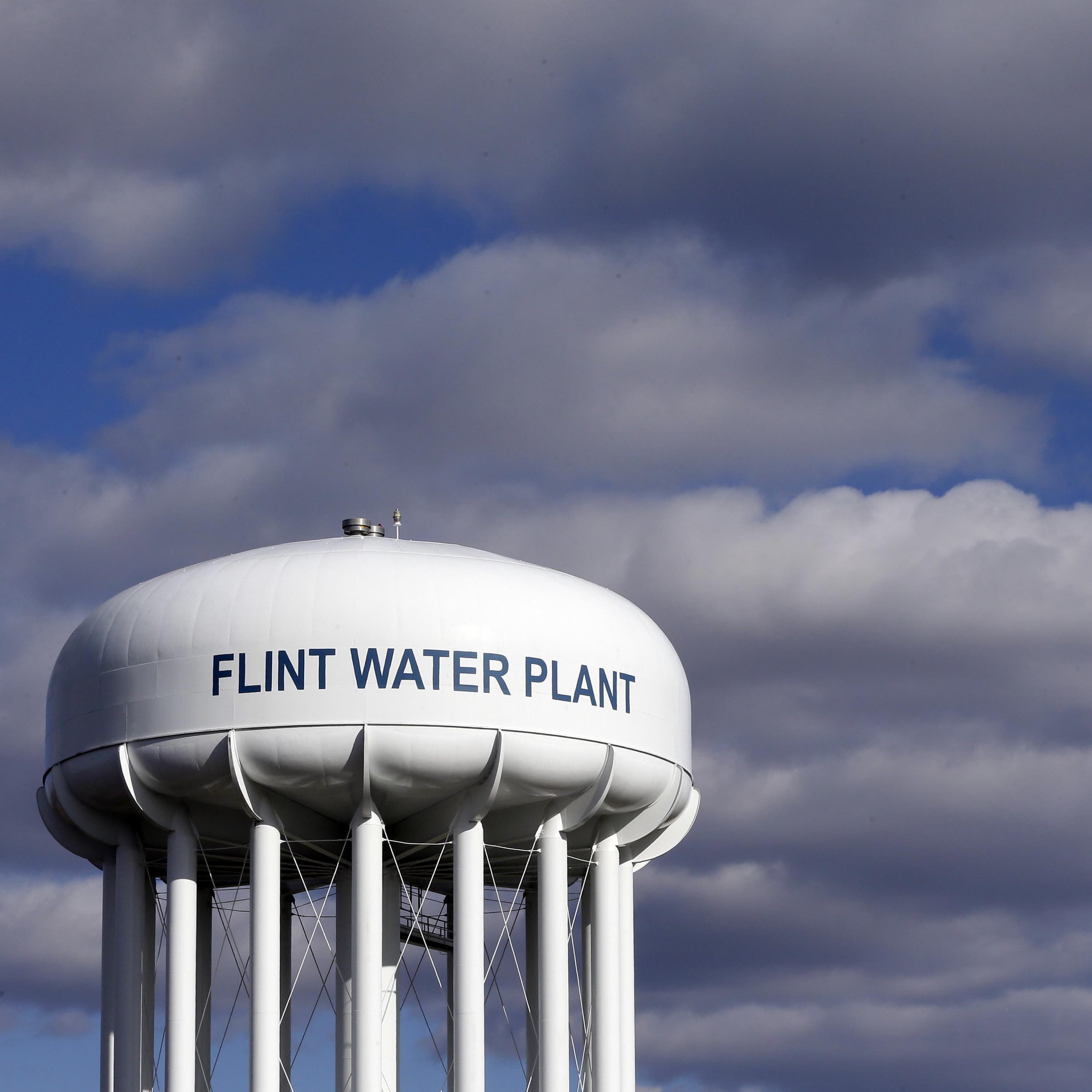
When the water in Flint, Michigan, became contaminated with dangerous levels of lead, Dr Siddhartha Roy, then a third year PhD student, was part of the team of scientists who publicly contradicted state and federal claims that it was safe. He became a local hero until a new piece of research challenged the idea that children in Flint had been left permanently brain damaged by the crisis. His adherence to the evidence, no matter who it offended, has earned him the 2026 Maddox prize, which recognises individuals who stand up for science and evidence, despite challenges or hostility. He tells Ian Sample how he reflects on his experience in Flint, and why he lost friends as a result of his work there. Help support our independent journalism at theguardian.com/sciencepod
18 mins
3 November Finished
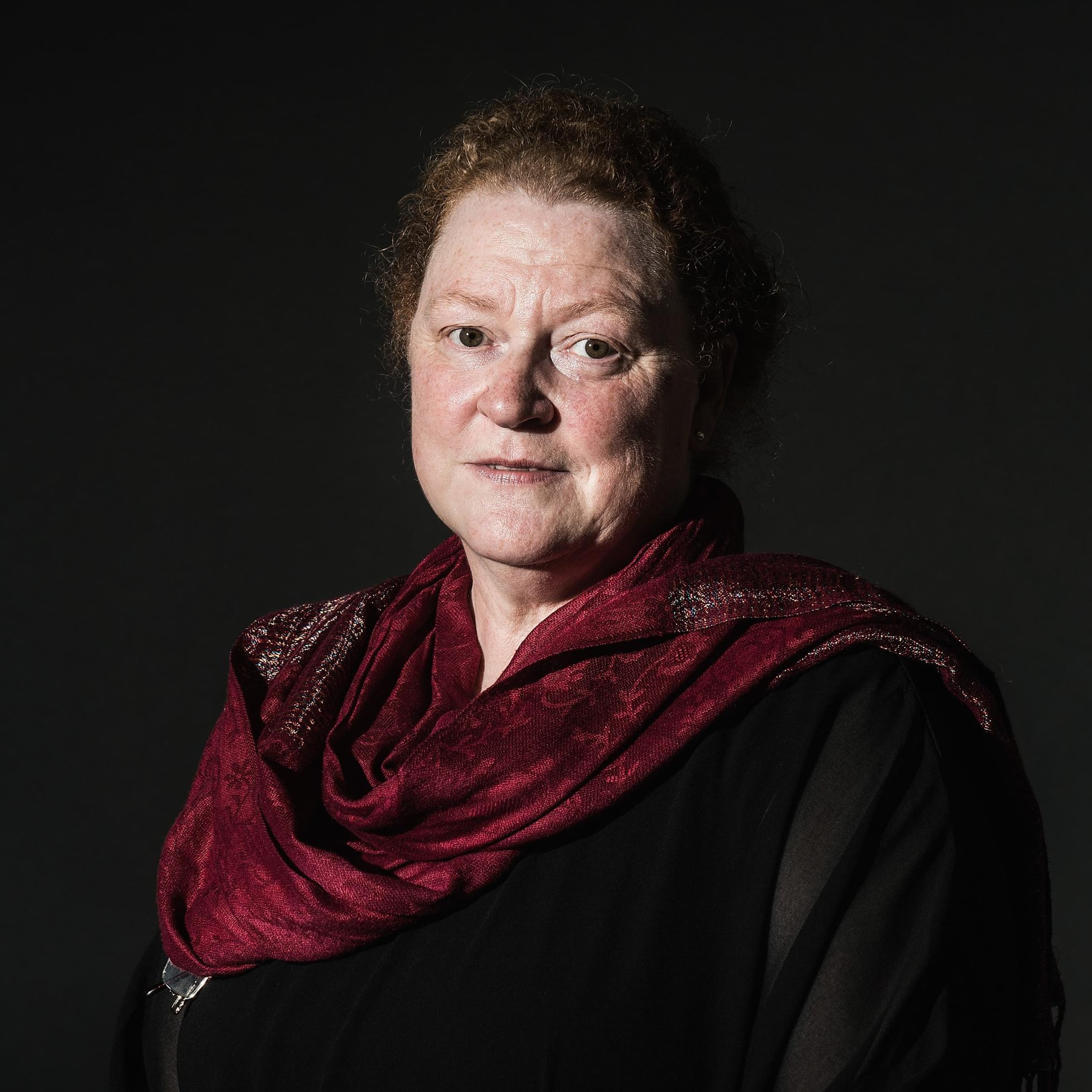
‘Assad had one of my books by his bed’: life as a forensic scientist
As one of the world’s leading forensic anthropologists, Dame Sue Black has acted as an expert witness in a myriad of high-profile criminal cases. Her work has taken her from the lab to active war zones and the aftermath of natural disasters to identify victims’ bodies. Speaking to Ian Sample, the professor explains why standing up in front of a judge and jury has been one of the more terrifying parts of her career, the reputational risk of presenting evidence in court and what the future of forensic science could look like. Help support our independent journalism at theguardian.com/sciencepod
18 mins
29 October Finished

Perimenopause is everywhere. How do you know if you’re in it?
Perimenopause has become a hot topic, with celebrities sharing their experiences and doctors offering tips and advice online. But despite the benefits of growing awareness, a rising number of women are now encountering misinformation about treatments such as HRT. Madeleine Finlay hears from Dr Paula Briggs, a consultant in sexual and reproductive health, about why experts have raised the alarm. Science correspondent Nicola Davis gives the facts on symptoms, tests and treatments. Help support our independent journalism at theguardian.com/sciencepod
15 mins
27 October Finished
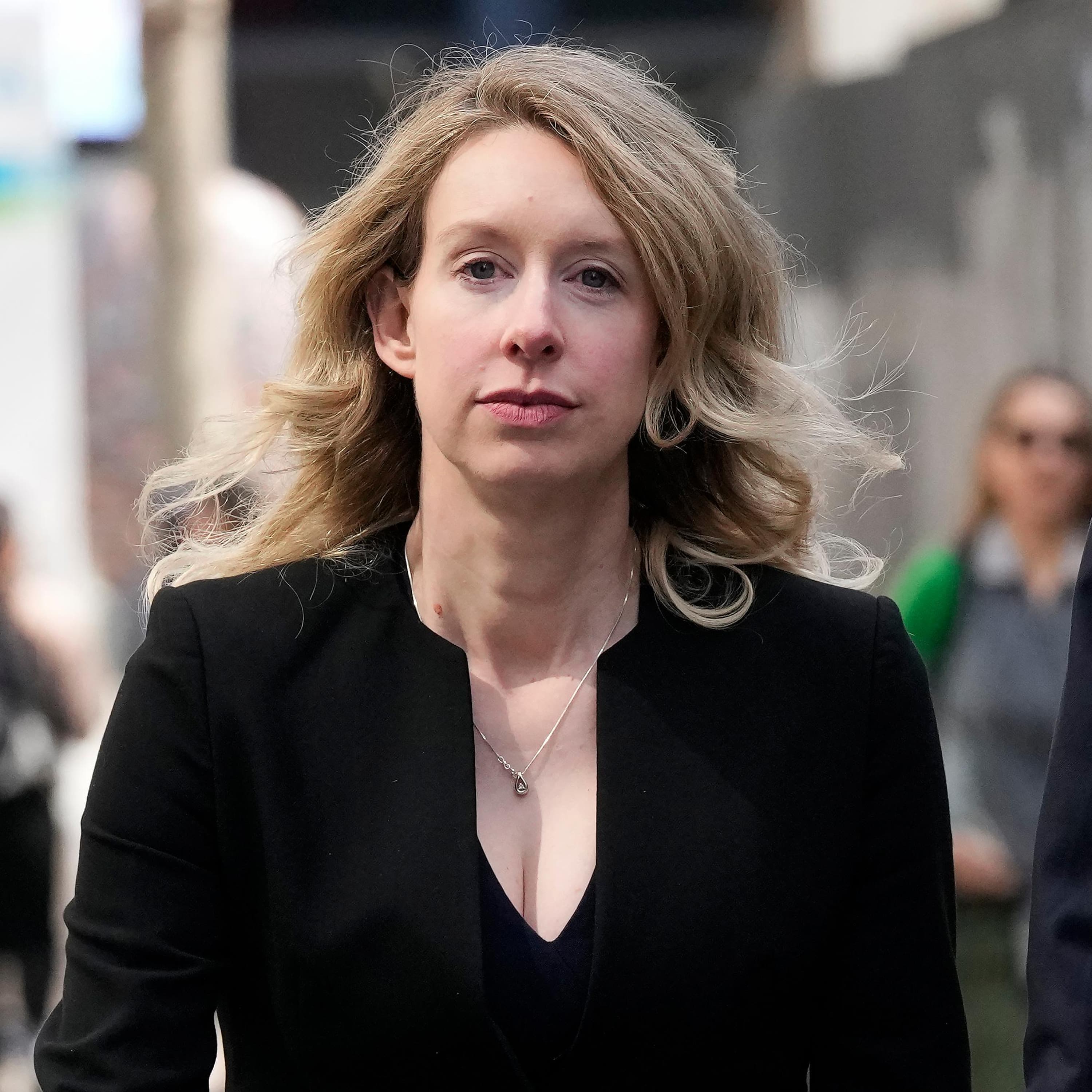
Elizabeth Holmes is back in the spotlight: why can’t we look away?
You Can See Everything, a documentary about the disgraced health tech company founder Elizabeth Holmes, has enjoyed a record-breaking opening in the US. It is a testament to how fascinated we remain by the convicted fraudster, but what is behind the enduring appeal? US technology editor Blake Montgomery tells Madeleine Finlay why Holmes continues to fascinate us, and reflects on whether the Theranos scandal has had a permanent impact on Silicon Valley. Help support our independent journalism at theguardian.com/sciencepod
17 mins
22 October Finished