695. Can the U.S. Close Its Fertility Gap?
13 November - 56 minsAmericans are having fewer children than they want. Government attempts to boost birth rates haven’t done much. But new research points to a surprisingly simple way to help — and it starts at home. (Part one of a two-part series.)
SOURCES:Nick Bloom, professor of economics at Stanford University.Melissa Kearney, professor of economics at the University of Notre Dame.Lyman Stone, director of the Pronatalism Initiative at the Institute for Family Studies.
RESOURCES:"Does Remote Work Increase Fertility?" by Andrew C. Johnston (National Bureau of Economic Research, 2026)."Is the iPhone Birth Control? Causal Evidence from AT&T’s 2007–2011 Carrier Monopoly," by Caitlin K. Meyers and Ezekiel...
Series Episodes

694. Does Democracy Really Need Elections?
Stephen Dubner recently served on a criminal jury. Twelve strangers — selected randomly and barely paid — took the job seriously. Afterward, he wondered: why can’t our politics work that way? A growing movement, inspired by Athenian democracy, says it can.
1 hour 4 mins
6 November Finished
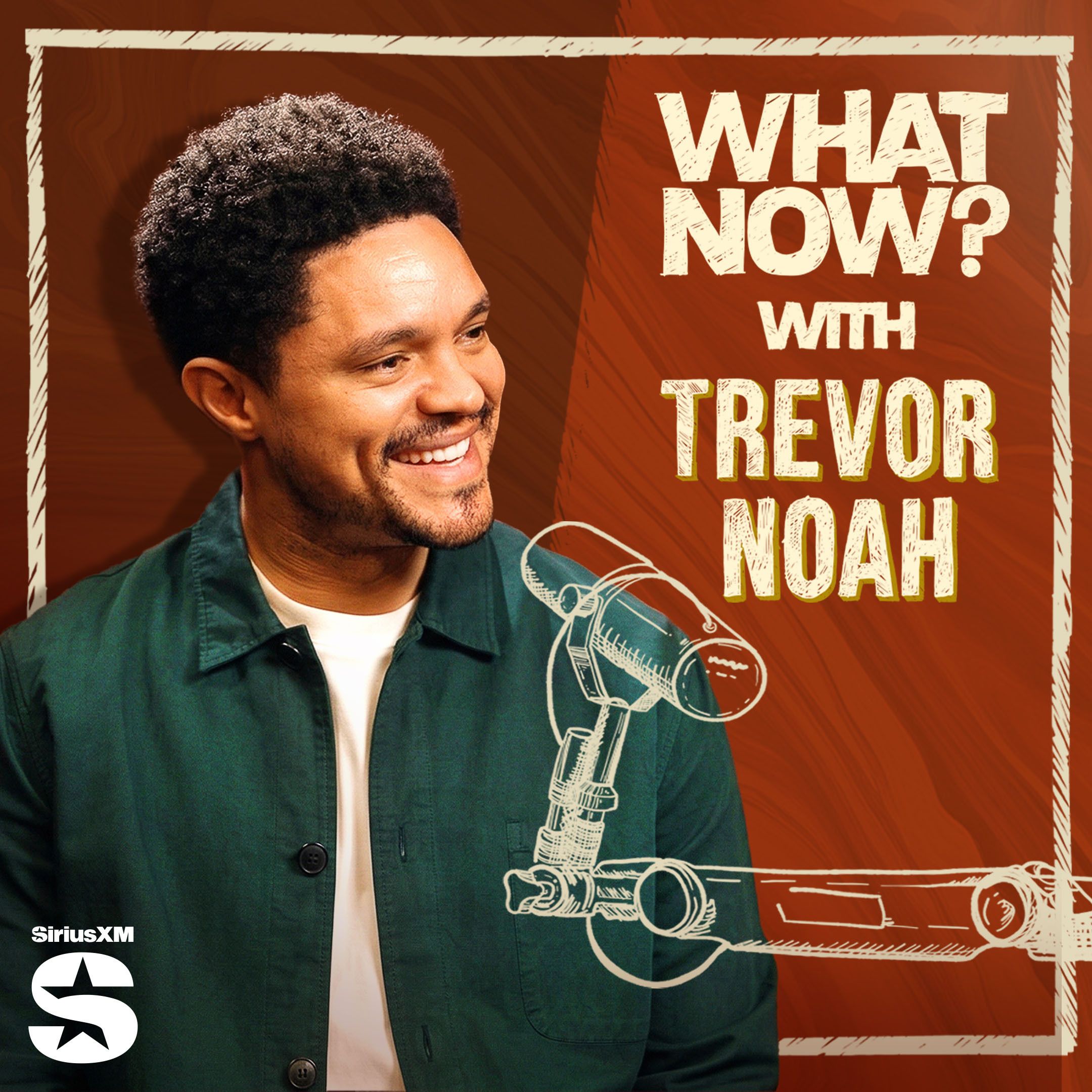
What Now? with Trevor Noah | Michael Che: The Unspoken Rules of Comedy
SNL writer and Weekend Update anchor Michael Che joins Trevor and Eugene in this episode preview. Watch What Now? with Trevor Noah on Youtube or tune-in anywhere you listen to podcasts.
10 mins
4 November Finished
693. What’s Our Job as Humans Anymore?
It may just be being human. Stephen Dubner interviews A.I. performer Tilly Norwood to find out if we are as replaceable as we fear. (Part two of a two-part series.)
57 mins
30 October Finished
692. What Will A.I. Do to (and for) Human Creativity?
Writers, designers, actors, coders, musicians, thinkers — they’re all worried about being replaced by machines. But what if the A.I.s are actually here to help? (Part one of a two-part series.)
59 mins
23 October Finished
Are Private Equity Firms Plundering the U.S. Economy? (Update)
They say they make companies more efficient through savvy management. Critics say they bend the rules to enrich themselves at the expense of consumers and employees. Can they both be right? (Probably not.)
48 mins
20 October Finished