
What does it take to create change? An artist and a conservationist answer | TED Intersections
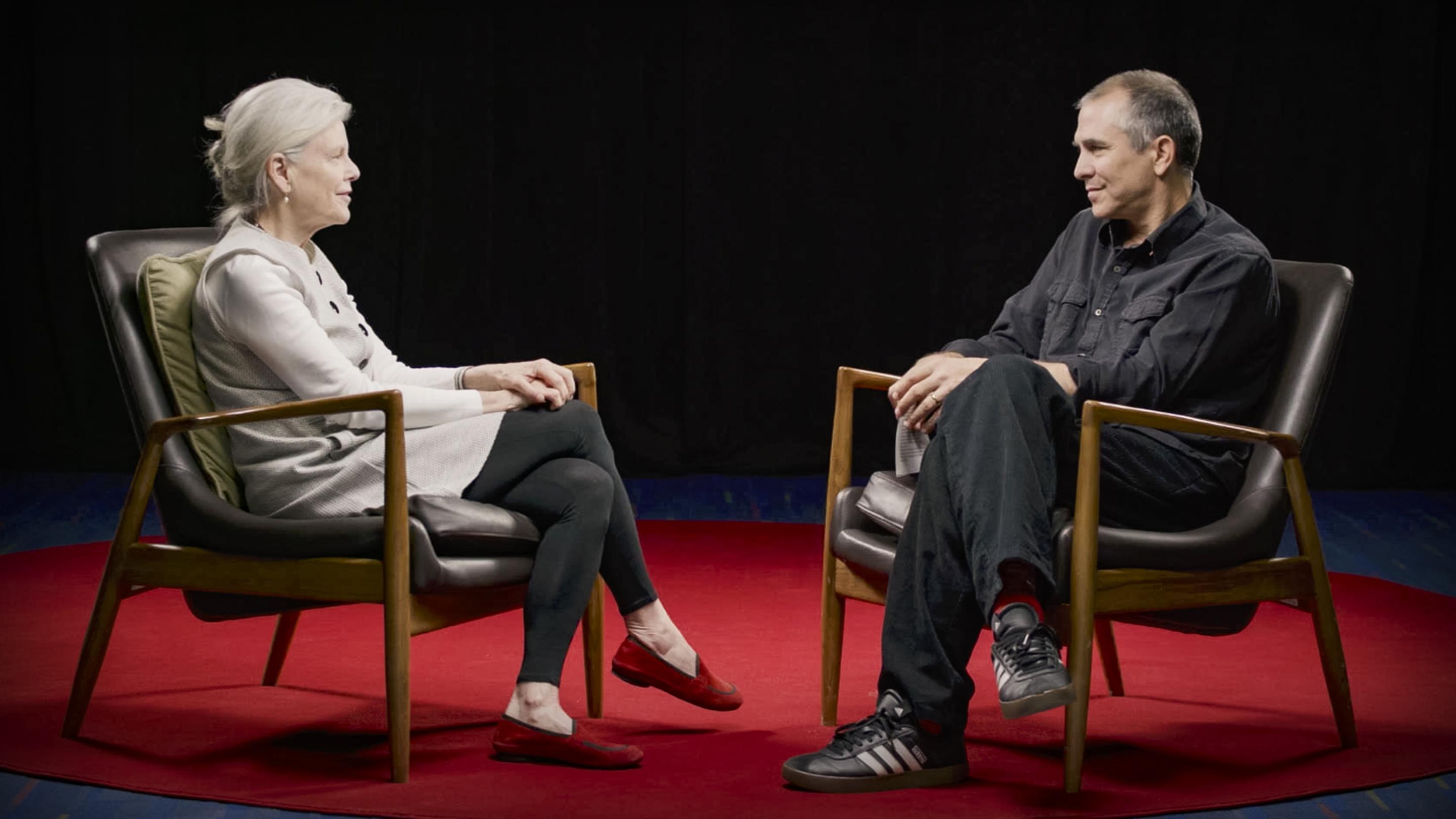
7 September 2024 - 24 minsWhat does it actually take to make meaningful change? Conservationist Kristine McDivitt Tompkins and playwright and theater director Amir Nizar Zuabi reflect on the deep connection between human suffering and environmental degradation and the community-building power of art to raise awareness. With equal parts hope and concern for the future, they speak to the urgent need to act now — and emphasize the transcendent power of compassion-fueled collaboration. (This conversation is part of “TED Intersections,” a new series featuring thought-provoking conversations between experts exploring ideas at the intersection of their experience.)
Series Episodes


How to turn setbacks into success | Amy Shoenthal
Success rarely happens in a straight line, with setbacks all but guaranteed along the way. What's the best way to recover? Leadership coach Amy Shoenthal lays out the four phases of the "setback cycle" and explains how to transform difficult moments into opportunities for reinvention and progress. Hosted on Acast. See acast.com/privacy for more information.
20 mins
13 September Finished

Why is it so hard for men to open up? A journalist and an entrepreneur answer | Joshua Johnson and Blake Mycoskie
Is conversation a lost art, or is it just evolving? Journalist Joshua Johnson and social entrepreneur Blake Mycoskie answer questions on everything from the male loneliness crisis to what it actually takes to connect with others — and reveal two deceptively simple tips for going deeper with the people around you. (This conversation is part of “TED Intersections,” a series featuring thought-provoking conversations between experts navigating the ideas shaping our world.) Hosted on Acast. See acast.com/privacy for more information.
30 mins
12 September Finished
The gravity-defying future of manufacturing | Schendy Kernizan
3D printing promised to reinvent how we make things, but it's mostly stuck producing prototypes with a high level of waste. Designer and TED Fellow Schendy Kernizan found a different way — by printing objects directly into a tub of gel. He explains how this technique eliminates the constraints of gravity, pushing the limits of how we can manufacture objects across medicine, fashion, space travel and more. Following his story, pulled from a short film he made for TED, Kernizan speaks with Lily James Olds, director of the TED Fellows program, on where this fascination with making things first came from. They talk about what kind of objects Kernizan’s is most excited to build, how he overcomes setbacks, and what keeps him motivated. Hosted on Acast. See acast.com/privacy for more information.
26 mins
11 September Finished
News tells you what happened. Drawing shows you how it felt | George Butler
What does a war look like when you sit still long enough to draw it? Reportage artist and TED Fellow George Butler sketches the people that the news passes by: a 99-year-old survivor of the Holodomor famine in Ukraine, a man gathering books blasted into a rose garden, an architect whose home was hit by a Russian missile. Urging us to slow down in the age of immediate news, Butler shows how a drawing reveals what a headline can't. Hosted on Acast. See acast.com/privacy for more information.
11 mins
10 September Finished
How bullying spreads — and how social bravery stops it | Amy Cuddy
How does bullying take root? Social psychologist Amy Cuddy got an inside view of this question after she became the target of a coordinated campaign to discredit her. Drawing on her own experience and years of research, she gives a clear-eyed analysis of how bullying reshaped our culture and how each of us can practice social bravery — everyday acts of standing up for one another — to end it. (Note: This talk contains discussion of suicide.) Hosted on Acast. See acast.com/privacy for more information.
17 mins
9 September Finished
How the wealth gap is reshaping politics | Xochitl Gonzalez
Wealth inequality gets talked about as an economic problem. Writer Xochitl Gonzalez makes the case that it's a civic one, too — a slow, quiet threat to democracy. Drawing on her research into the psychology of social class, she shows how growing up with (or without) money changes how we experience politics, community and society. Hosted on Acast. See acast.com/privacy for more information.
13 mins
8 September Finished